
Waste collection · Water · Cleaning · Cold chain
Define the complete working vehicle
Plan sanitation, water-delivery, sewer-maintenance and refrigerated-transport projects around the real operating duty. The quotation should identify the chassis, body and working equipment separately, then show how they form the complete vehicle.
Auto From China coordinates enquiries with vehicle manufacturers and body builders, including factory LHD and RHD new-vehicle versions where offered. Chassis availability, body compatibility, quantity, destination documents and the service scope are confirmed for each project.
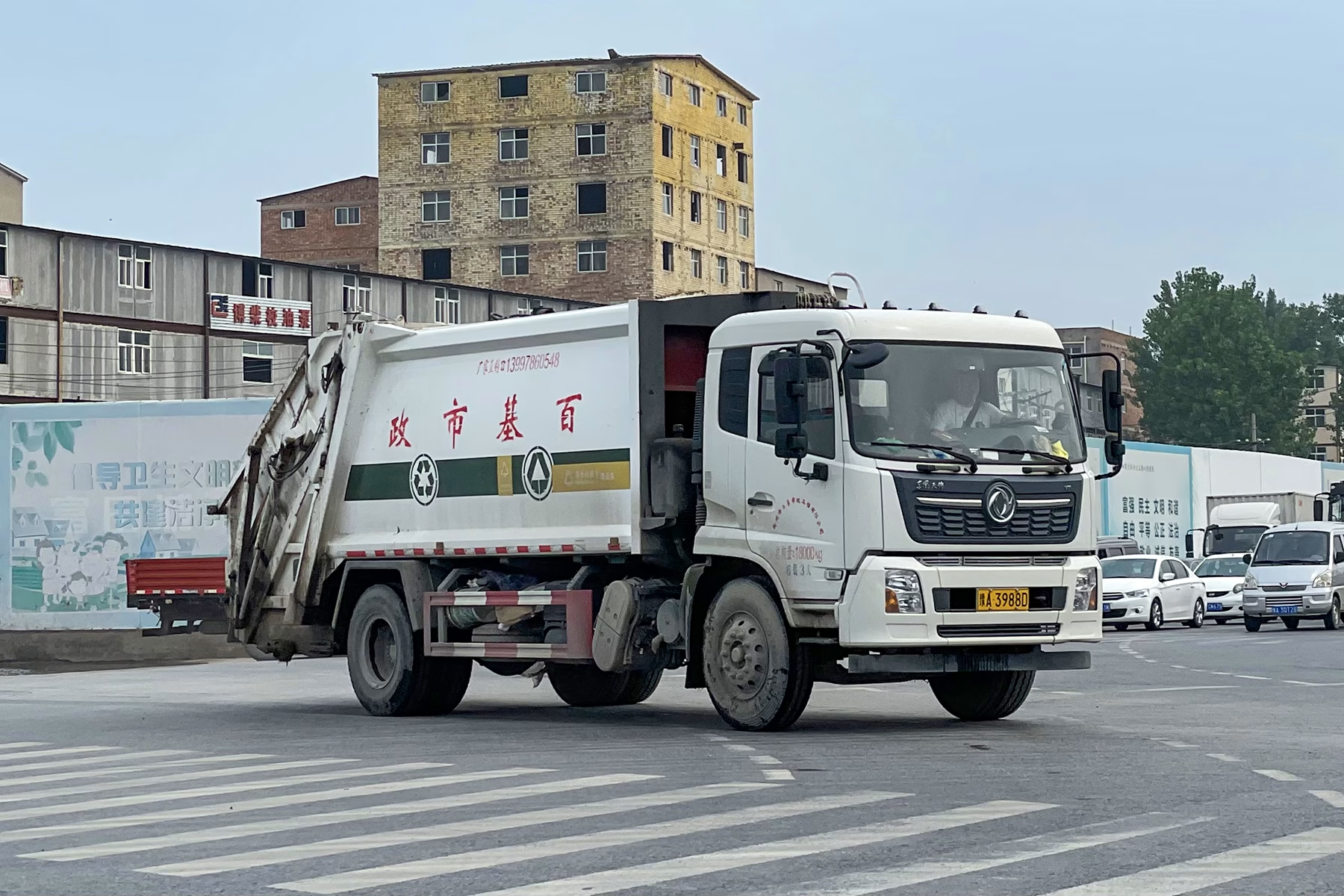
Dongfeng Tianjin garbage-truck type reference, Windmemories / Wikimedia Commons, source, CC BY-SA 4.0. Resized/AVIF display copy. Reference image; offered version, current stock and destination suitability are confirmed separately.
Start with your operating application
Describe the work before comparing model families or equipment capacity.
Waste collection
Record bins and lifting interfaces, collection frequency, route access and unloading conditions. Compare body, lifter, hydraulic equipment and complete loading assumptions.
Water and sewer service
Separate liquid delivery, spraying, vacuum collection and jetting duties. Specify tank arrangement, media, pumps, hoses, outlets and the expected working cycle.
Temperature-controlled transport
Describe cargo, loading temperature, required condition, ambient range, stops and door openings. Review the insulated body and cooling equipment as one operating package.
Turn the task into a configuration schedule
Use the same inputs and response format across manufacturers so the offers can be compared.
| Decision | Buyer input | Request with the offer |
|---|---|---|
| Chassis | Destination, factory steering side, route, quantity and loading duty | Chassis code, wheelbase, powertrain and document scope |
| Body | Usable capacity, dimensions, material and arrangement | Identified body builder, drawing and installed mass |
| Working equipment | Required flow, pressure, lifting, vacuum or cooling duty | Models, manufacturer selection basis and accessories |
| Controls and service | Operators, work cycle, service access and maintenance needs | Operating instructions, training, parts and responsibility split |
| Acceptance | Functions, evidence, reviewer and release conditions | Agreed inspection scope and documented exceptions |
Relevant live product briefs
These are reference briefs for a model-specific enquiry. Price, current availability and the supplied export build require confirmation.
Dongfeng Tianjin garbage-truck type reference, Windmemories / Wikimedia Commons, source, CC BY-SA 4.0. Resized/AVIF display copy; supplied version confirmed separately.
Compactor Garbage Truck – 6–8 m³ Procurement Brief
Build a collection brief around bins, route, lifter and the complete vehicle mass.
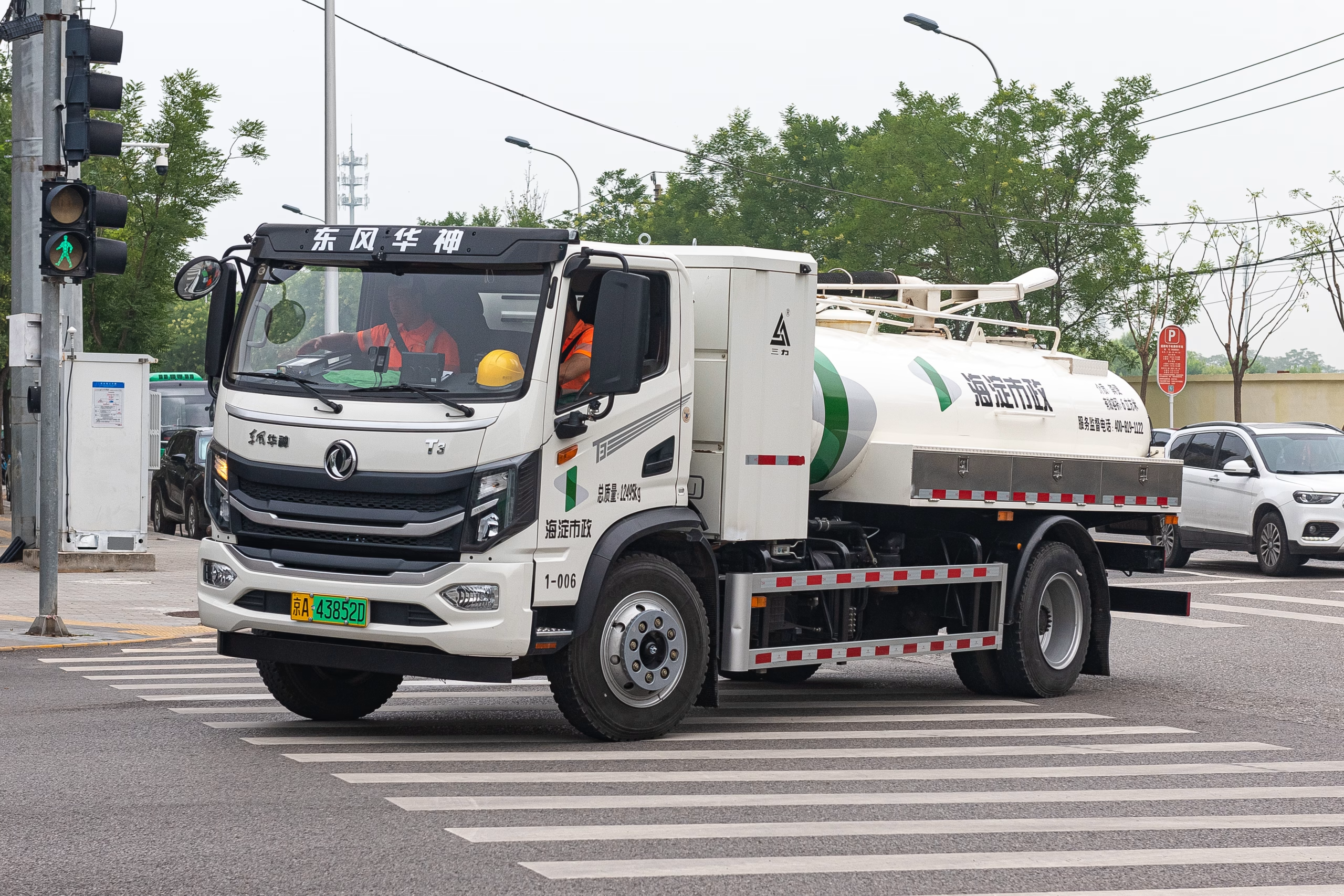
Dongfeng Huashen T3 sewage-truck reference — 2025. Photo: N509FZ, source, CC BY-SA 4.0. Resized/AVIF display copy; supplied version confirmed separately.
Vacuum and Sewer Cleaning Truck – Procurement Brief
Separate vacuum and jetting functions before defining the tanks, equipment and hose scope.
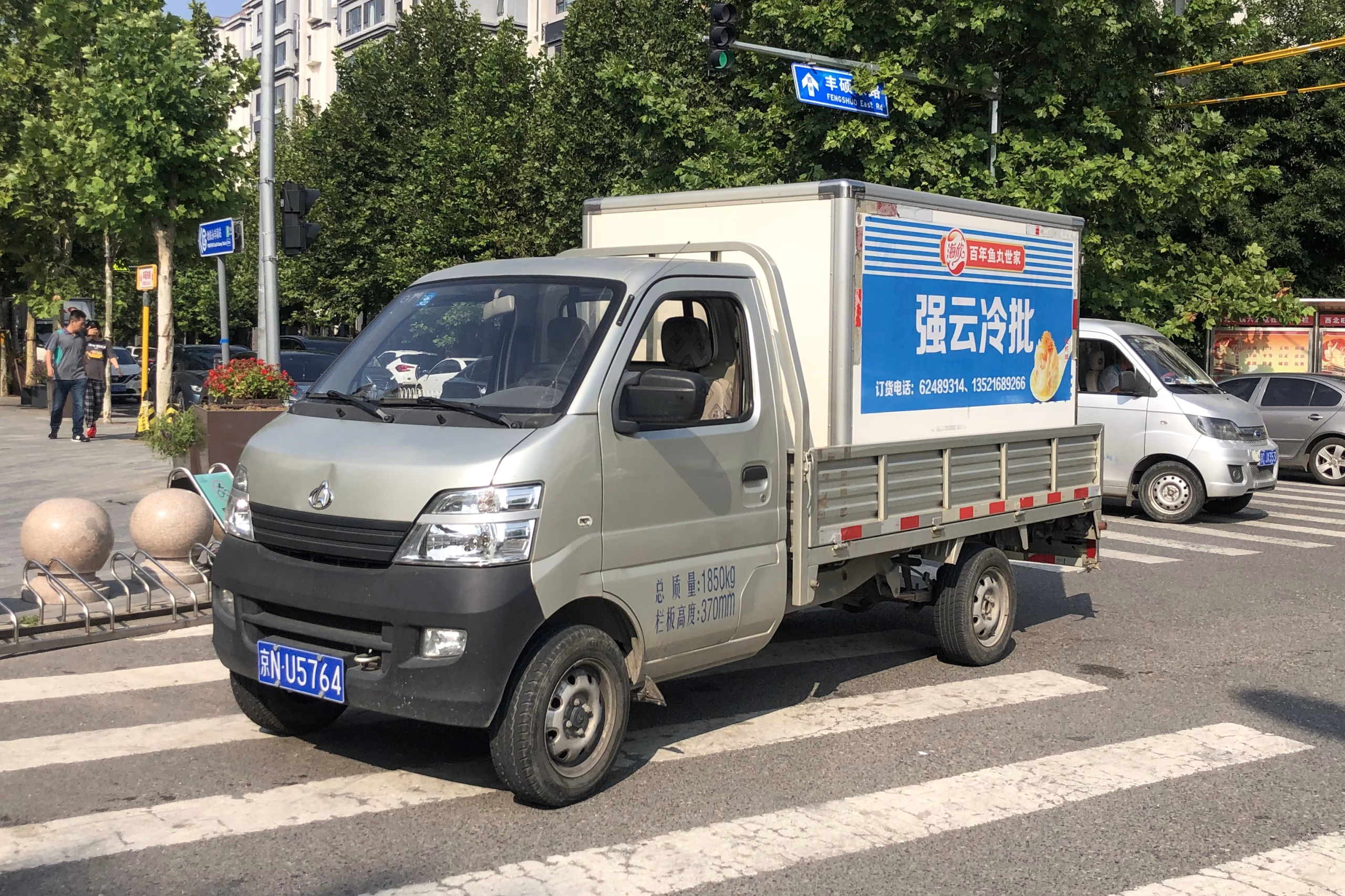
Changan Star refrigerated-truck type reference — 2021. Photo: N509FZ, source, CC BY-SA 4.0. Resized/AVIF display copy; supplied version confirmed separately.
Refrigerated Light Truck – Procurement Brief
Review cargo and temperature duty against the complete insulated body and cooling package.
From project brief to an identified offer
01 · Document the duty
Use a route or job example to describe capacities, materials, access and daily cycles. Include interface measurements, such as bins, hoses or loading equipment, where they affect the solution.
02 · Align chassis and body
Request identified chassis, body and equipment schedules with drawings and mass assumptions. Assign responsibility for compatibility, manuals, parts and warranty scope.
03 · Agree acceptance evidence
Define the document checks and manufacturer-led functional demonstrations before release. Record test conditions, exclusions and remaining destination-review items in the project file.
Prepare a useful quotation request
A complete first brief helps the supplier resolve version and compatibility questions earlier.
Send the operating evidence
- Destination, quantity and factory LHD/RHD requirement
- Application, daily route, shifts and operating cycle
- Capacity and material/cargo information
- Bin, pump, hose, vacuum or refrigeration requirements
- Loading, access, ambient and local service conditions
- Required documents, inspection evidence and project timing
Ask for the defined supply scope
- Chassis identity, body builder and working-equipment models
- Drawings, usable capacity and installed mass assumptions
- Equipment performance basis and included accessories
- Operating manuals, training and commissioning scope
- Parts, service and warranty responsibility by subsystem
- Inspection, packing, shipping and confirmed schedule
Continue your selection
Special Vehicles from China: A Chassis, Body and Equipment Quotation Checklist
Compactor Garbage Trucks: Bins, Collection Routes and Payload
Water Tanker Procurement: Water Use, Tank, Pump and Hoses
Vacuum, Jetting or Combined Sewer-Cleaning Truck: Which Brief?
Refrigerated Truck Selection: Cargo, Body and Cooling Duty
Project procurement questions
Can a capacity number identify a complete special vehicle?
No. Capacity needs a stated basis and an identified chassis, body and equipment configuration. Ask for the complete drawing and loading or operating assumptions.
How should an existing tender or job specification be used?
Attach it with the destination and quantity. Mark the mandatory requirements and ask the manufacturers to respond with the exact offered configuration and any exceptions.
Who is responsible when chassis and body come from different suppliers?
Require a clear responsibility split and a documented matching review. The quotation should identify who supplies the manuals, handles service and closes compatibility questions.
Does a type-reference photo show the quoted build?
It illustrates the application. The actual offer must identify chassis, body and equipment codes, dimensions and options; use those records for acceptance.
How is factory RHD handled for a project vehicle?
Review the actual factory chassis version together with the body and equipment arrangement. Availability and documents are confirmed for that complete configuration and destination.
What makes two special-vehicle offers comparable?
Give both suppliers the same duty, capacity basis, route and required functions. Compare complete equipment, documents, acceptance, support and shipping scopes, including stated exclusions.
Send your operating brief
Share the destination, quantity and working conditions. We will review the proposed factory version and the quotation scope with the relevant manufacturer.