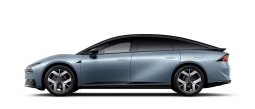
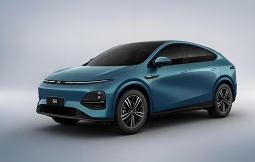
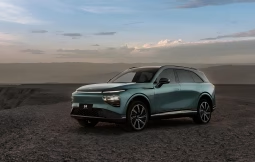
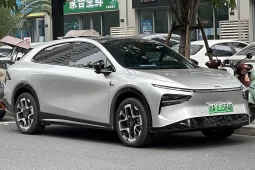
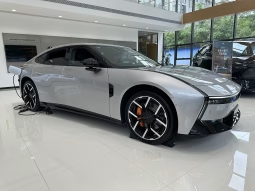
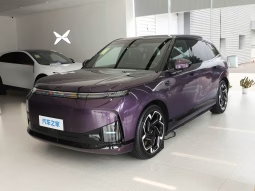
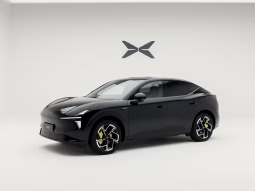
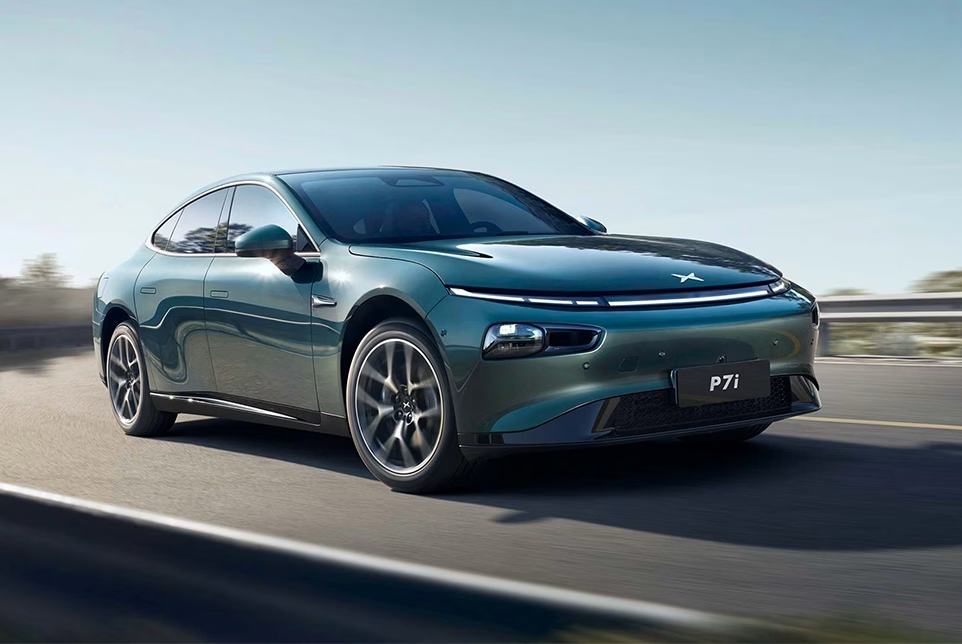
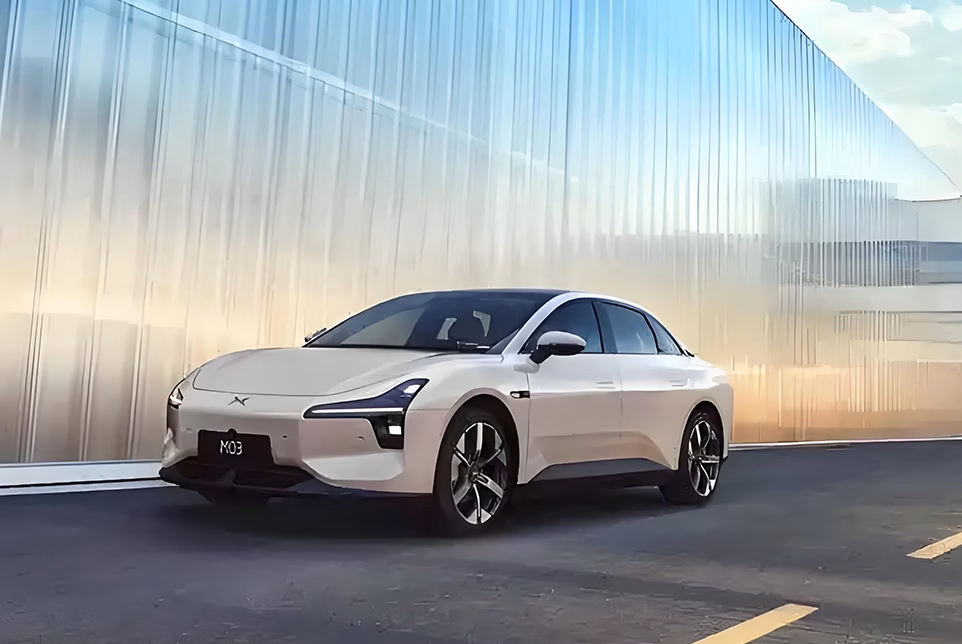
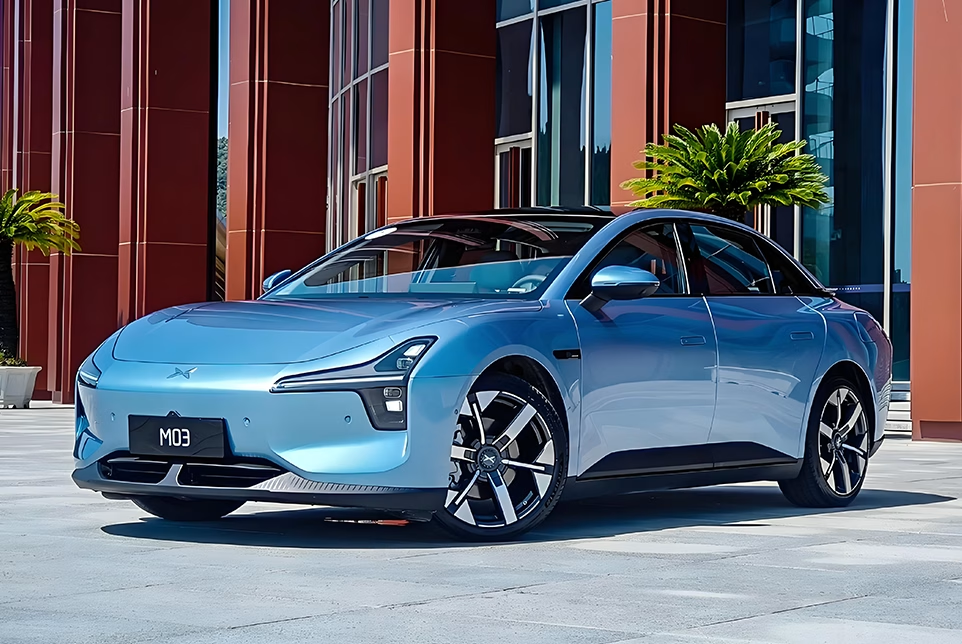
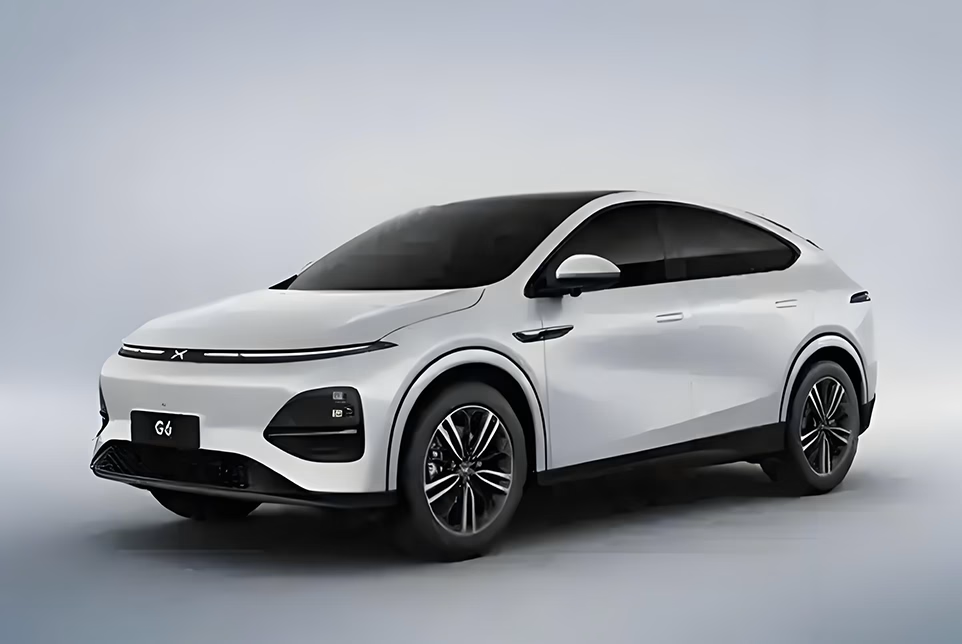
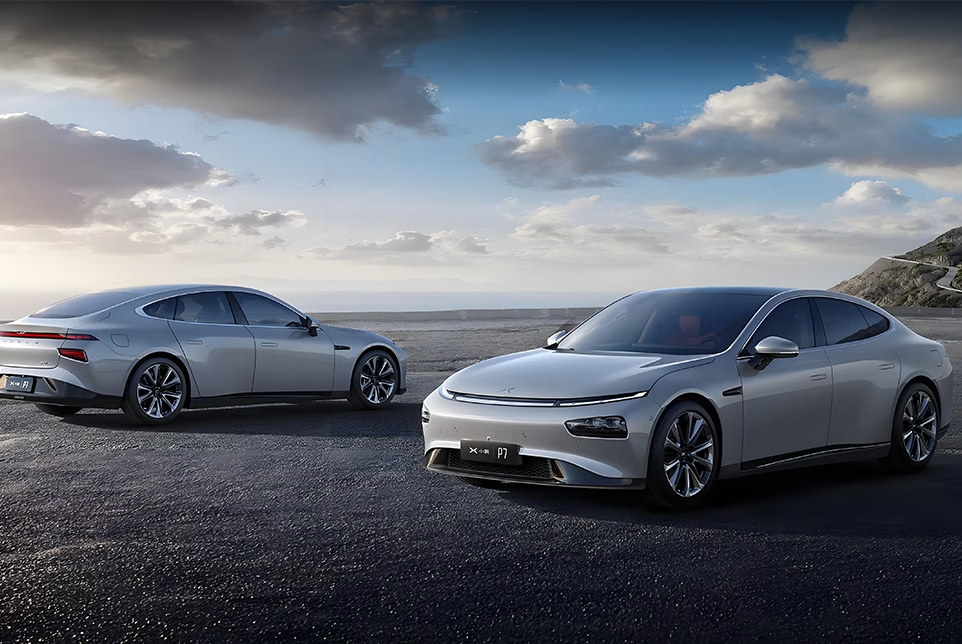
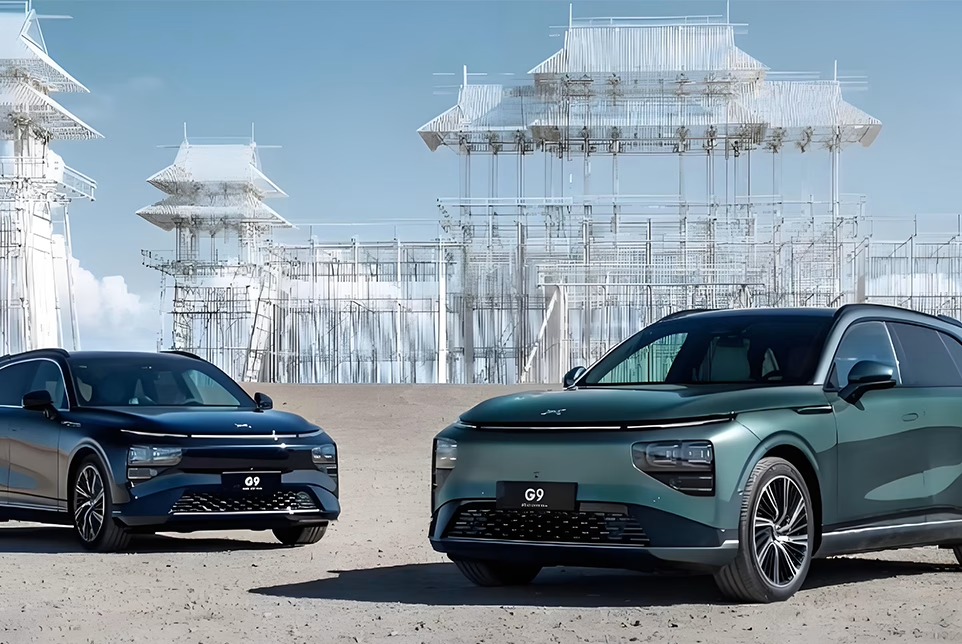
XPENG offers electric sedans, SUVs and MPVs, including the P7 and P7+, G6, G9 and X9. For an import order, compare the exact model year, battery, drivetrain and factory equipment rather than relying on the model name alone. China-market and overseas-market versions can differ in charging hardware, software, connected services and support.
Auto From China can help with sourcing enquiries, agreed pre-shipment checks and shipping coordination. Send the model, quantity and destination for an itemised quote and an order-specific review of documents and support.
The GX AWD Max entry is a range-extender enquiry. It requires both a charging plan and fuel/engine documentation. Treat China connected services and fitted driver-assistance hardware as items to verify for the destination.
Use the country EV import guides to identify eligibility and documents, agree a vehicle inspection scope and the shipping responsibilities, then request a quote with the exact grade, quantity and destination. Factory steering layout, charging, software and warranty must be matched to that vehicle.
Confirm the supplier, VIN, model year and factory configuration of the quoted XPENG. Request current photographs and the available vehicle records before ordering.
Model and Stock Enquiries
Share the XPENG model, trim, colour and quantity you need. Stock, equipment and export eligibility are checked for the order; a catalogue entry does not guarantee immediate availability.
Destination Requirements
Review steering position, registration documents, software and fuel or charging requirements before purchase. Any modification needs separate agreement; universal approval, language conversion or charging conversion should not be assumed.
Shipping Coordination
Compare the available container or RoRo route, preparation schedule and shipping inclusions. Confirm insurance and responsibility for destination clearance in writing; sailing and clearance times vary.
Itemised Quote and Documents
Review the vehicle price, agreed inspection, inland transport, export handling and shipping. Confirm the destination document list, payment terms and any charges excluded from the quote.
Parts and Ownership Support
Discuss VIN-based XPENG parts supply, local maintenance and available service information. Confirm the support scope and warranty provider for your destination before placing an order.
What to Compare When Choosing XPENG
1. Sedan, SUV or MPV
Compare the P7/P7+ sedans, G6/G9 SUVs and X9 MPV around passenger space, luggage and parking constraints. The appropriate body style depends on the work the vehicle will do.
2. Charging for Your Routes
Check the quoted battery, connector and charging specification against your planned chargers. Published fast-charge figures require stated test conditions and are not a promise for every charging session.
3. Software and Connected Services
Confirm screen languages, navigation, app access and update support before shipment. China-market software and overseas software should not be assumed to offer identical functions.
4. Driver-Assistance Equipment
Ask which sensors and driver-assistance functions the selected trim includes. Hardware, optional packages and regional availability differ; the driver remains responsible for the vehicle.
5. Fleet and Service Planning
For fleet use, compare charging downtime, local repair capability, parts lead times and support terms. Order a specification and service plan before committing to a larger batch.
Frequently Asked Questions
1. How should I assess an XPENG import?
Compare the exact vehicle specification, destination eligibility and ownership support with the locally sold alternative. Review charging, software, warranty and local servicing together; technology features alone do not establish a suitable import.
2. Which XPENG models can I enquire about?
Send the selected sedan, SUV or MPV, such as P7/P7+, G6, G9 or X9, with model year and trim. Available stock, factory equipment and export route will be checked for the order.
3. How do I check charging compatibility?
Check the vehicle’s actual AC and DC ports, charging protocol and limits against the chargers you intend to use. A connector adapter alone does not establish compatibility. Any proposed conversion requires a separate technical, warranty and destination-approval check.
4. Can I source a factory right-hand-drive version?
Request a factory-built vehicle with the steering position required at your destination and confirm its availability and export route. Do not assume that steering conversion is offered, approved or suitable for registration.
5. How long does preparation and shipping take?
Ask for an order-specific schedule covering available stock, vehicle preparation, agreed inspection, documents, port handling and sea transit. Confirm the destination clearance arrangements separately. Actual timing depends on the route and vessel schedule.
6. Will languages, apps and updates work overseas?
Request evidence of the languages and functions available on the quoted vehicle. Navigation, voice control, app access, connectivity and OTA updates may depend on the original market. Language changes and unrestricted overseas updates are not automatically included.
7. What service and warranty support can be arranged?
We can discuss VIN-based parts sourcing and the service information available for the selected vehicle. Confirm the written support scope, costs, warranty provider and local repair arrangements before purchase; factory warranty and remote services are not automatically available overseas.
8. Which export and registration documents are available?
Agree the document list for the vehicle, export route and destination before ordering. This may include the invoice, packing information, export declarations and other applicable records. A destination-specific conformity or approval certificate is available only where it applies to the exact vehicle.
9. How should I assess XPENG for a fleet?
Compare passenger and luggage needs, charging downtime, local maintenance and parts lead times. Check any taxi or commercial-use requirements at the destination. Share the planned duty cycle before choosing the model and battery.
10. What information should I send for an XPENG quote?
Send the exact model or requirements, quantity and destination for an itemised quotation. Compare the vehicle, agreed inspection, export handling and shipping scope with local purchase options, including destination charges, warranty and service support.