
Distribution · Contracting · Trailer haulage
Build a fleet around the working route
Source Chinese cargo vans, compact trucks, light trucks, dump trucks and tractor trucks around the goods, route and loading operation. Define the finished vehicle first so that manufacturers can review one clear configuration brief.
Auto From China uses its relationships with vehicle manufacturers to review factory LHD and RHD new-vehicle enquiries for global destinations. The exact model, export version, body, quantity and document scope are confirmed for the proposed order.
Start with your operating application
Describe the work before comparing model families or equipment capacity.
Multi-stop distribution
Describe the largest item, door access, stops and parking restrictions. Compare van space with a finished light-truck body, including shelves, restraints or a tail lift where required.
Bulk and site work
State the material, density, gradients and unloading conditions. Review the complete tipping body, mechanism and finished loading basis with the manufacturer.
Trailer and long-route haulage
Identify the trailer, cargo pattern and operating combination. Exchange coupling, clearance, connection and loading information before comparing tractor-truck offers.
Turn the task into a configuration schedule
Use the same inputs and response format across manufacturers so the offers can be compared.
| Decision | Buyer input | Request with the offer |
|---|---|---|
| Load | Normal and maximum mass; dimensions; pallets or bulk density | Usable cargo envelope and stated loading basis |
| Route | Distance, stops, gradients, surface and access restrictions | Identified vehicle and powertrain review |
| Body and handling | Doors, platform, enclosure, lift or tipping equipment | Body drawing, equipment schedule and installation mass |
| Factory export build | Destination, factory LHD/RHD, quantity and operating conditions | Exact model code and available document schedule |
| Fleet support | Working hours, workshop access and first-service needs | Manuals, parts list, service responsibilities and exclusions |
Relevant live product briefs
These are reference briefs for a model-specific enquiry. Price, current availability and the supplied export build require confirmation.
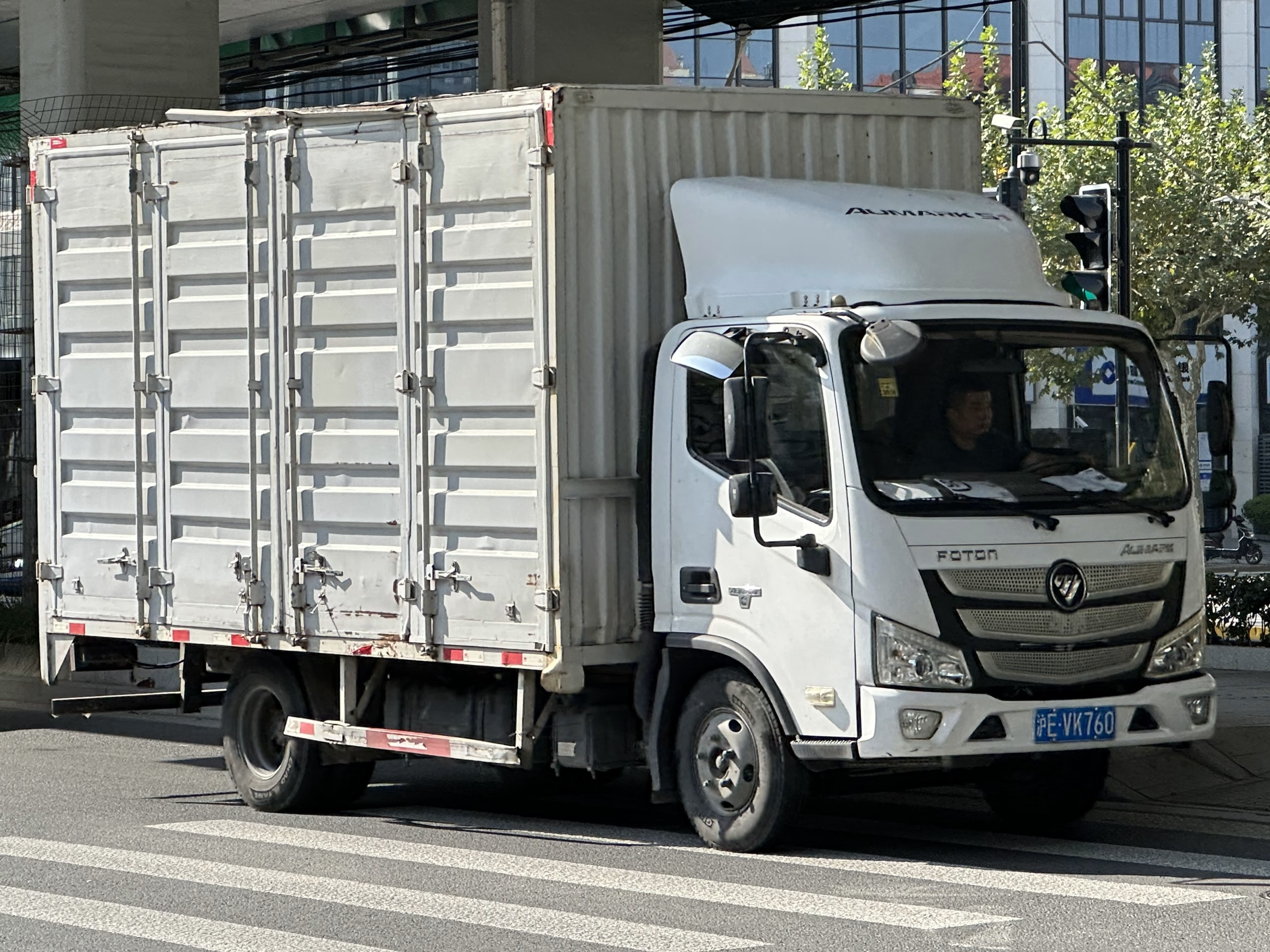
Foton AUMARK S Light Truck
Compare the AUMARK S family brief with the finished body, usable dimensions and loading assumptions.
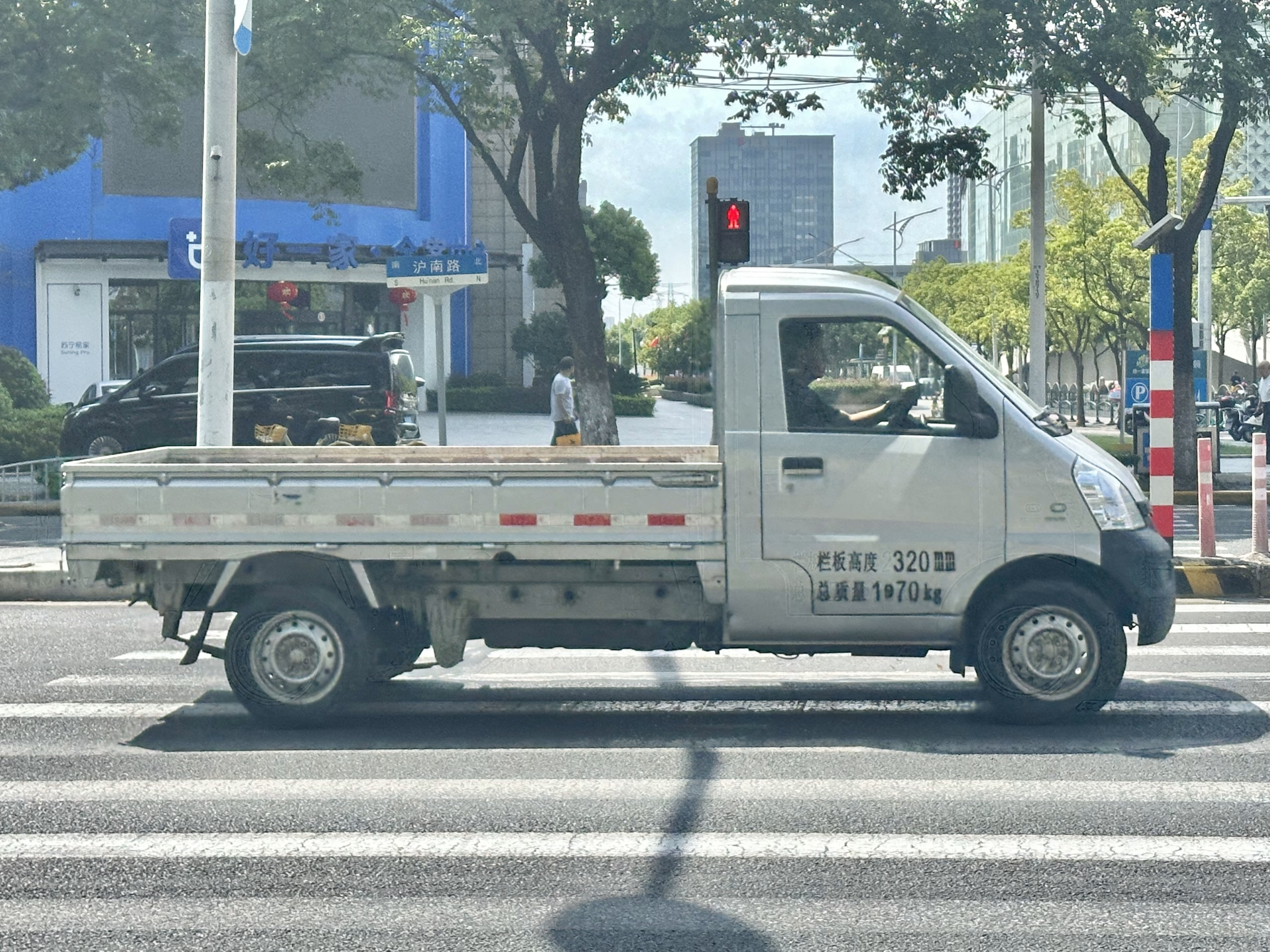
Wuling Rongguang Single-Cab Cargo Truck
Review a compact single-cab configuration for the actual cargo, route and bed arrangement.
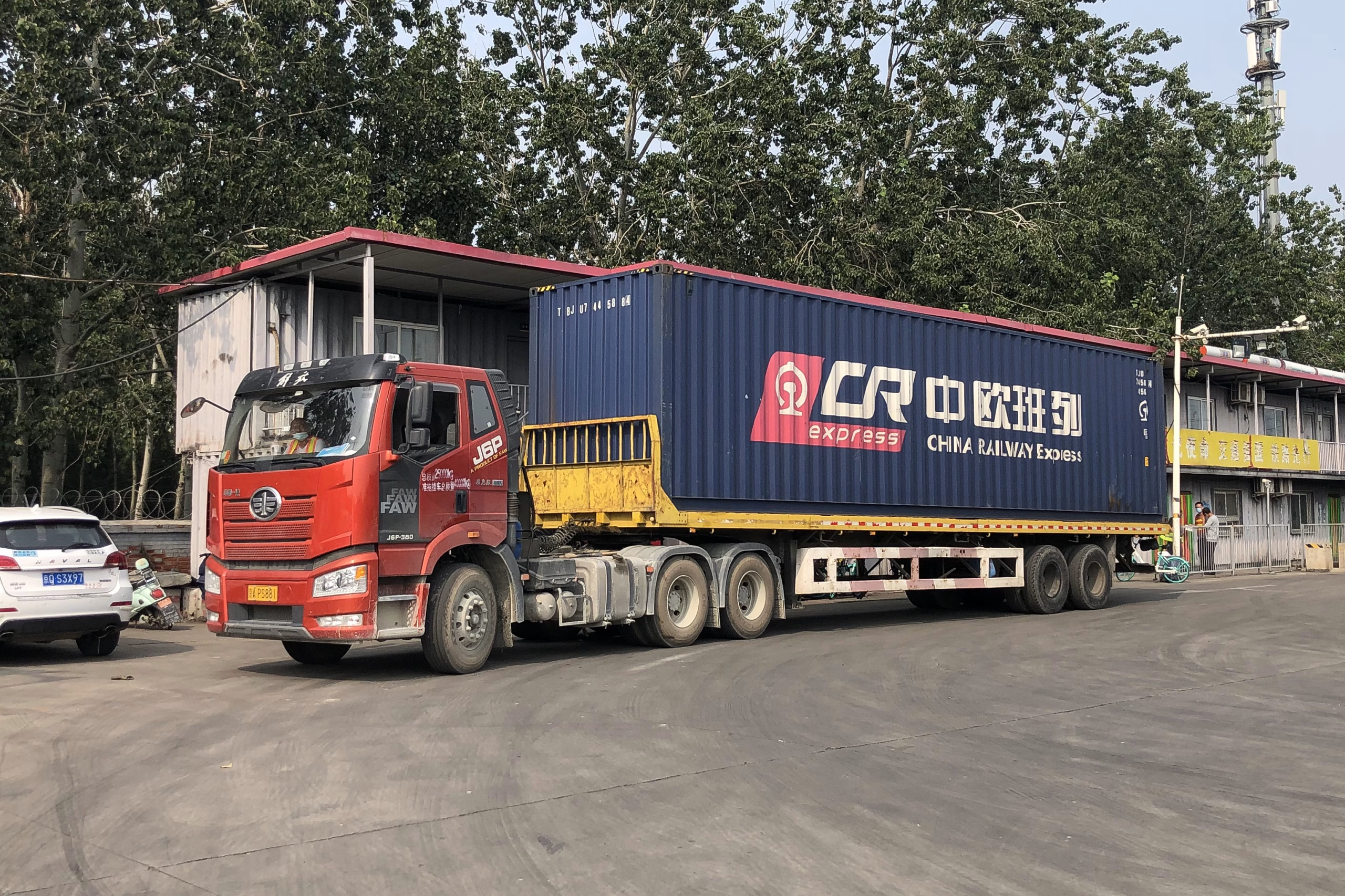
FAW J6P-380 tractor and container reference — 2021. Photo: N509FZ, source, CC BY-SA 4.0. Resized/AVIF display copy; supplied version confirmed separately.
FAW Jiefang J6P Tractor Truck
Use the J6P brief to identify the tractor, trailer and coupling review rather than selecting by engine power alone.
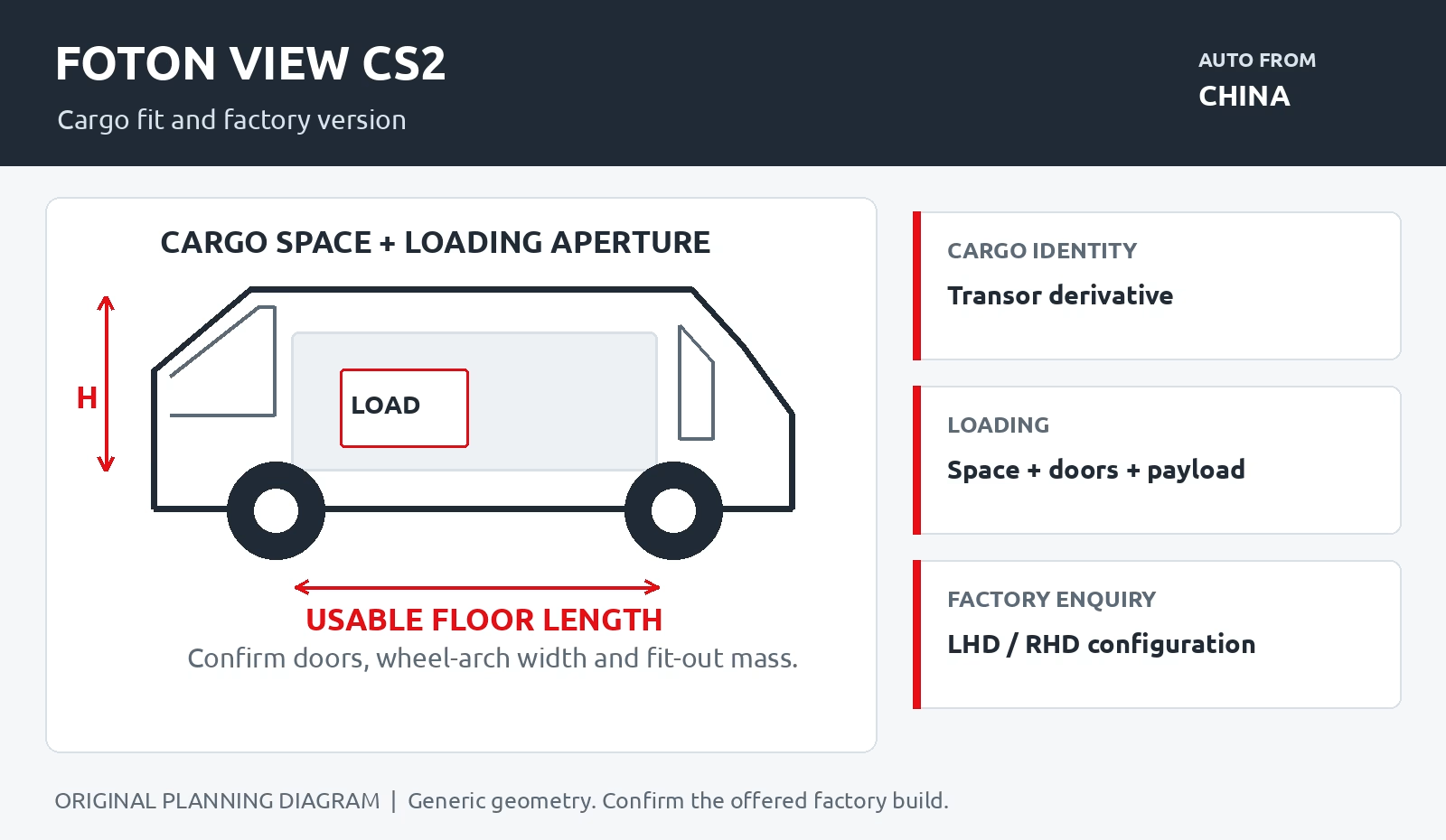
Original technical planning illustration; generic geometry. Confirm the offered factory version.
Foton VIEW CS2 Cargo Van
Review the VIEW CS2 factory cargo version around usable space, door access, restraints and completed loading.
Original technical planning illustration; generic geometry. Confirm the offered factory version.
Foton TOANO High-Roof Cargo Van
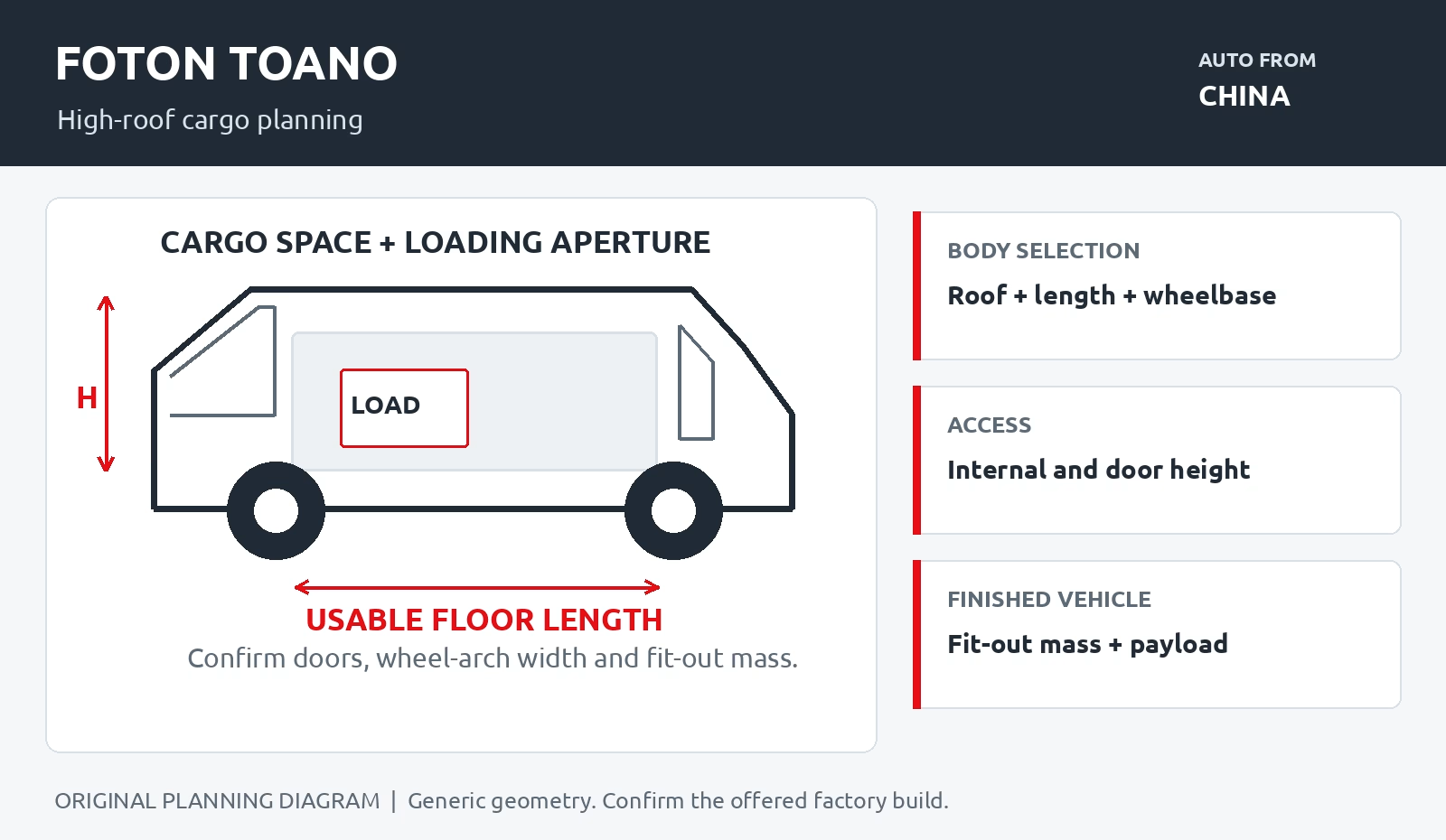
Review TOANO roof and wheelbase choices around the measured cargo envelope and delivery route.
From project brief to an identified offer
01 · Common operating brief
Give each manufacturer the same route, goods, loading and destination inputs. Mark the fixed requirements and the options you are willing to compare.
02 · Defined factory version
Review the actual vehicle or chassis code, body drawing, steering configuration and available documents. Record open questions before treating the proposal as a confirmed offer.
03 · Comparable quotation
Compare vehicle, body, equipment, service, inspection and shipping on the same scope. Agree acceptance evidence and responsibilities before an order is committed.
Prepare a useful quotation request
A complete first brief helps the supplier resolve version and compatibility questions earlier.
Send the operating evidence
- Destination country and port; importer details when available
- Quantity and intended operation
- Cargo dimensions and normal/maximum mass
- Daily distance, gradients, road surface and loading routine
- Factory LHD or RHD; body and equipment needs
- Required timing and any written destination requirements
Ask for the defined supply scope
- Vehicle/chassis identity, engine and transmission version
- Body drawing, equipment and loading assumptions
- Options and exclusions listed separately
- Manufacturer/export documents available for that build
- Inspection, manuals, service and initial spares scope
- Trade term, packing, transport scope and confirmed schedule
Continue your selection
Cargo Van vs Light Truck: Match the Load and Delivery Route
Dump Truck Selection: Material Density, Body Volume and Payload
Tractor Truck and Semi-Trailer Matching: A Procurement Checklist
Commercial Vehicle Export Handover: Inspection, Manuals and Spares
Project procurement questions
Can different fleet vehicles be reviewed in one enquiry?
Yes. Separate each operating task and quantity, then use a common destination, document and commercial scope. Each vehicle still needs its own identified configuration schedule.
How is factory RHD availability confirmed?
Send the specific vehicle category, destination and quantity. We review the proposed factory version through manufacturer relationships; the result is confirmed for that model and order.
Should I compare chassis-only and complete-vehicle offers?
Ask suppliers to identify the difference clearly. Compare the finished vehicle including body, equipment and installation mass when that is the vehicle you intend to operate.
How should fleet spare parts be selected?
Start from the supplied engines, transmissions, body equipment and maintenance schedule. Ask for an identified first-service and wear-parts list with quantities and exclusions.
What helps avoid an unclear delivery commitment?
Use a written scope and revision, with production, inspection, packing and transport responsibilities identified. Confirm dates for the actual factory build and quantity.
What is the fastest useful starting point?
Send destination, quantities and one representative working day for each task, together with cargo measurements and steering-side requirements. Attach any existing body or trailer drawing.
Send your operating brief
Share the destination, quantity and working conditions. We will review the proposed factory version and the quotation scope with the relevant manufacturer.