
Select the chassis, insulated body and refrigeration system around the cargo and delivery cycle. A lowest-temperature claim or unit model name does not describe performance for a loaded truck on a multi-stop route.
Define loading temperature and the required range.
Identify usable space, airflow and door cycles.
Request performance conditions, power and evidence.
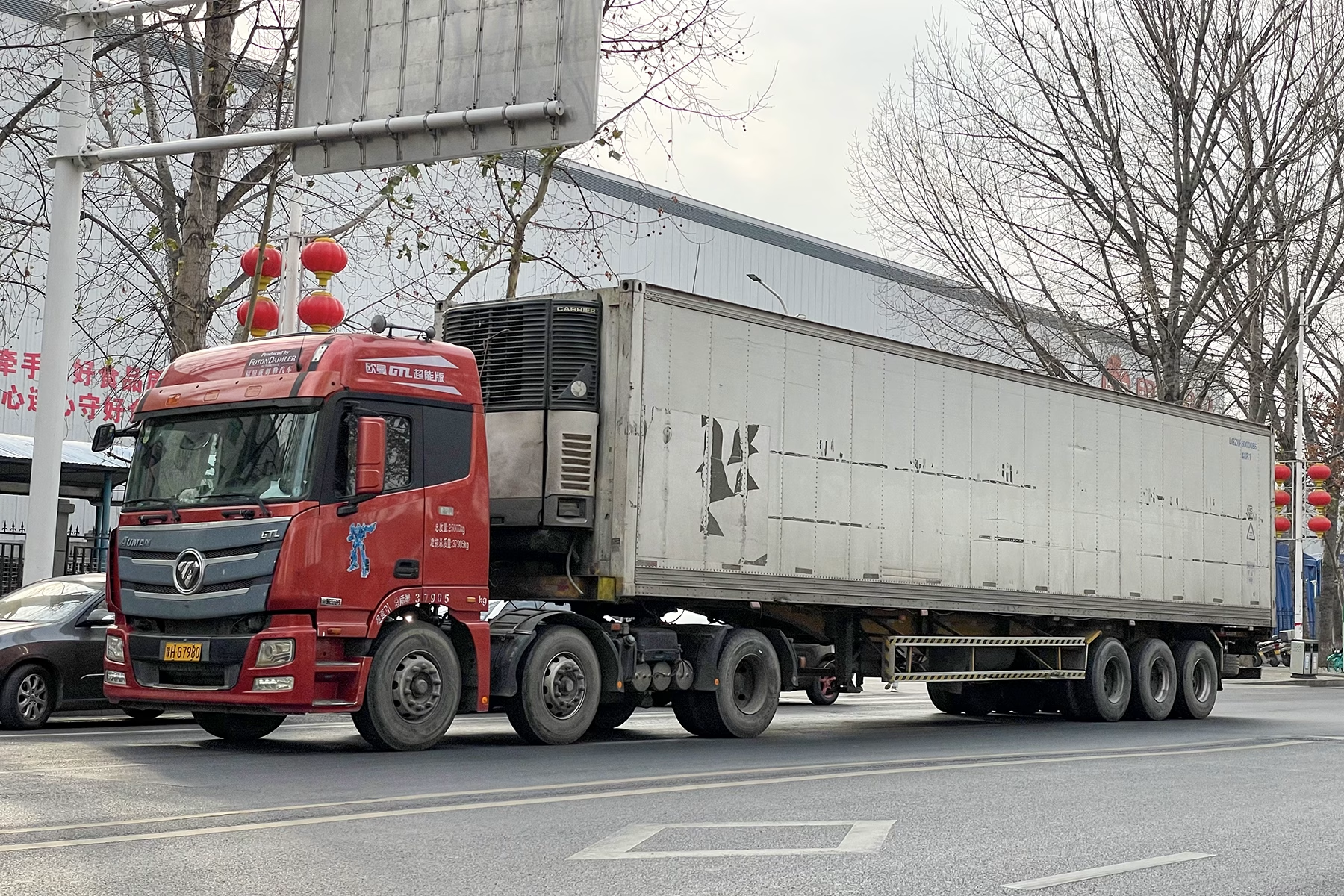
Define the cargo and temperature responsibility
Name the products, quantity and packaging, loading temperature, required temperature range and journey duration. Give expected ambient conditions and whether different products need separate compartments or setpoints. The cargo owner should identify any specialist handling or destination evidence required for its goods.
Thermo King’s transport reference distinguishes maintaining cargo temperature from pulling down warm product and discusses pre-cooled loads and door openings. Do not assume that an empty-body temperature result proves suitability for every product or loading condition.
Specify usable body space and airflow
Request internal dimensions, door apertures, insulation construction, floor, drainage, load restraints and the body builder. State the actual pallet or crate arrangement. The refrigeration system needs its intended air paths and return flow maintained; nominal box volume is not the same as usable cargo volume.
Describe side and rear doors, partitions and loading equipment. Ask the body and refrigeration suppliers to review the proposed loading layout and access. Include the mass of the insulated body, unit and accessories when comparing finished payload, axle limits and chassis options.
Describe the whole delivery cycle
Give stops per trip, door openings, typical open time, loading-bay conditions and waiting periods. Record whether the vehicle is moving, idling or parked while temperature control is needed. A long haul with few openings and a multi-stop distribution route should not share an unexplained capacity assumption.
Identify available power at the depot or loading location if standby operation is required. Ask which proposed drive/standby modes support each part of the duty and what installation or supply is needed. Specify voltage, phase and connection requirements for the actual offered equipment rather than assuming one universal arrangement.
Request cooling performance on stated conditions
Ask for the refrigeration unit manufacturer/model and capacity information at the proposed ambient and body/cargo conditions. Include the power or engine-speed basis where relevant, controls, defrost arrangement, refrigerant identity and maintenance needs. Match the unit with the actual body proposal, not a generic chassis photograph.
If standby, monitoring, door switches or recording are needed, identify them as supplied equipment with model and scope. Ask which sensor locations and records will be used to assess the agreed temperature result. Product-air, return-air and cargo temperatures should not be casually treated as identical acceptance measurements.
Agree a meaningful acceptance and service package
Specify the test conditions and recording method before ordering: relevant ambient conditions, starting body/cargo conditions, load or agreed test medium, door pattern, duration and power mode. The supplier should explain what the proposed test demonstrates and which operating conditions remain outside it.
Identify the chassis, factory LHD/RHD, body and unit separately, with destination documents and specialist-cargo requirements reviewed for the actual project. Include the unit and body manuals, maintenance information, initial spares and distinct warranty responsibilities. A temperature target is a project requirement to confirm, not a blanket performance guarantee.
Put these items in the enquiry
| Selection item | Information to provide or confirm |
|---|---|
| Cargo | Product, packaging, load temperature, required range and journey duration |
| Environment | Ambient conditions, stops, doors, waiting and loading-bay routine |
| Body | Internal dimensions, insulation, load pattern, airflow and finished mass |
| Refrigeration | Unit identity, capacity basis, drive/standby power, controls and defrost |
| Evidence | Test conditions, sensor/recording plan, documents and service responsibilities |
Relevant product briefs
Use these live briefs to prepare a configuration enquiry. The photographs and manufacturer references do not establish current stock or a confirmed export offer.
Refrigerated Light Truck – Procurement Brief
Specify cargo and temperature duty, body insulation, cooling equipment, power and finished vehicle mass.
Questions buyers ask
Does a cooling unit model establish cargo temperature performance?
No. Review the complete body, insulation, unit, ambient conditions, loading temperature and door-opening duty. Request the manufacturer’s selection review for the intended operation.
Is the vehicle intended to cool warm goods or maintain pre-cooled goods?
State which task is required. Provide product, loading temperature, target condition, cargo mass and journey pattern so the supplier can identify the offered duty and any limitations.
What route information affects the refrigeration brief?
Give ambient range, distance, stops, door openings, waiting time and any stationary operation. Identify whether standby power, monitoring or recording equipment is required.
How does the body affect payload?
The insulated body, refrigeration equipment, doors and options contribute to the finished vehicle mass. Compare usable cargo space and permitted mass separately for the complete configuration.
What needs to be listed as an option?
Record standby supply, temperature monitoring, partitions, shelving, tail lift and door arrangement if required. Each item should appear in the configuration and mass scope.
What evidence should support acceptance?
Agree body and unit identity checks, performance-review documents, test conditions and the operating instructions. A reference image does not establish temperature capability or the supplied build.
Send the destination, quantity and the operating details above. We will review the identified manufacturer version and quotation scope.
Continue your selection
Technical references
- Thermo King: cargo, airflow and door-cycle planning reference
- Thermo King: air-management equipment reference
References reviewed 11 October 2026. This guide provides procurement questions and illustrative analysis. Manufacturer examples describe the linked published versions; they do not confirm our offered build, destination approval or a supply commitment. Use the manuals and written technical schedule for the actual equipment.