
A larger tipping body does not establish a larger acceptable load. Start with the material and working route, then assess body volume, complete-vehicle mass limits and the tipping equipment as one configuration.
Identify density, moisture and abrasion.
Compare volume with finished payload and axle limits.
Define the site and request the builder’s assessment.
Describe the material before selecting the body
Name every regular material: sand, aggregate, soil, rubble or another bulk load. Supply measured or supplier-supported loose bulk density for the relevant moisture and loading condition. Do not substitute solid-rock density for loose aggregate, or assume that dry and wet material have the same mass per cubic metre.
Include typical particle size, abrasive duty, loading machinery and whether the material tends to adhere to the body. These details help the body builder propose the floor, walls, shape and tailgate. Ask for material grade and thickness by location rather than treating one steel-thickness number as the whole body specification.
Use volume and mass as separate checks
For an initial comparison, cargo mass equals occupied volume multiplied by the relevant bulk density. The calculation estimates the material mass; it does not establish an acceptable loading limit. Compare it with the finished vehicle’s available cargo allowance and each relevant axle, tyre and route limit.
Request the mass of the chassis, tipping body, hoist, subframe and supplied accessories on a stated basis. Include fuel, occupants and additional equipment as required by that basis. A heavy-duty body can reduce available cargo allowance even when its wear resistance is useful for the application.
Specify the tipping body and working equipment together
State required usable volume and how it is measured, floor and side-wall materials, body dimensions, tailgate arrangement and cover requirements. Name the body builder and request a drawing. Include the hoist model, subframe, hydraulic system and the proposed interface to the chassis.
MEILLER’s body reference describes material and floor-thickness choices in a specific tipping semi-trailer range. It is a useful example of the wear-versus-mass design question; those specifications should not be copied to a Chinese rigid dump truck without a matching builder’s proposal.
Match the route and unloading site
Give loaded trip distance, gradients, road surface, loading cycles, ambient conditions and the unloading location. Distinguish road haulage from quarry or construction-site work. The chassis, tyres, gearing, brakes and cooling arrangement need review for the complete duty, not just a maximum engine-power figure.
Provide site constraints and ask the manufacturer or body builder to assess the proposed tipping system and operating conditions. Request its operating instructions, protections and acceptance evidence. This procurement checklist is not a procedure for tipping or a confirmation that a particular site is suitable.
Name the exact factory build and acceptance records
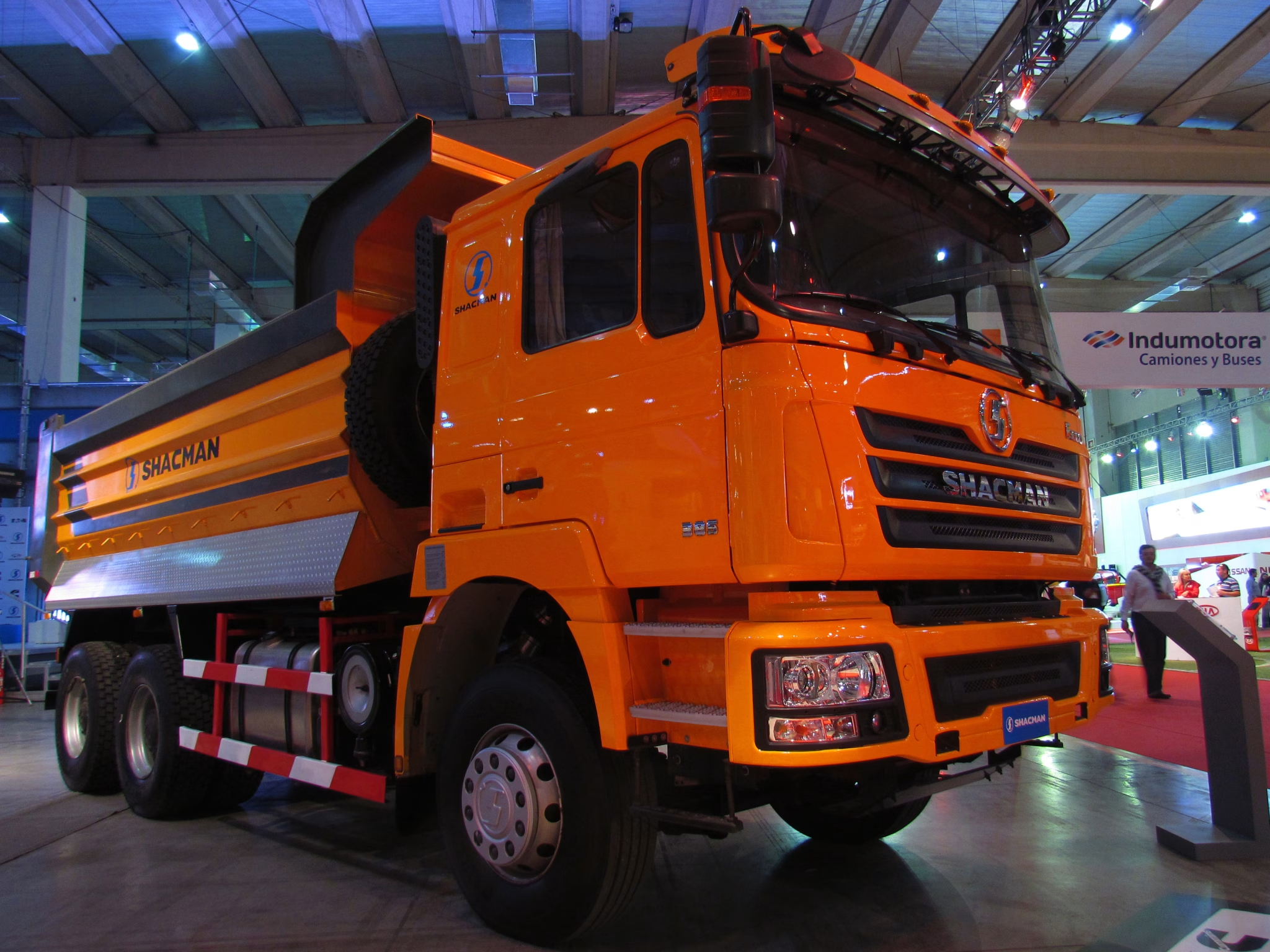
SHACMAN’s F3000 family reference spans tractor, dump and cargo applications with several drive layouts and powertrain alternatives. Use the complete offered model code and a written body/equipment schedule; do not combine the largest values from unrelated versions.
For a new LHD or RHD enquiry, confirm the factory export version, quantity and destination documents. Agree identity checks, body measurements, mass and axle evidence, and a manufacturer-led functional demonstration before shipment. Define chassis, body and hoist support responsibilities and the initial wear-parts package.
Put these items in the enquiry
| Item | Information to provide or confirm |
|---|---|
| Bulk material | Material, loose bulk density, moisture, particle size and abrasive duty |
| Body | Usable volume, dimensions, material grades, thicknesses, tailgate and cover |
| Loading allowance | Finished mass basis, gross/axle/tyre limits and load distribution |
| Tipping system | Hoist, hydraulics, subframe, chassis interfaces and operating guidance |
| Route and site | Distance, gradients, surface, cycles and unloading constraints |
| Order evidence | Factory model, steering side, body drawing, inspection and service scope |
Relevant product briefs
Use these live briefs to prepare a configuration enquiry. The photographs and manufacturer references do not establish current stock or a confirmed export offer.
SINOTRUK HOWO 7 Dump Truck
Review the model-specific configuration, body, working route and factory export version before comparing an offer.
SHACMAN F3000 Dump Truck
Review the model-specific configuration, body, working route and factory export version before comparing an offer.
Questions buyers ask
Why is body volume not a payload figure?
The mass carried depends on material density and the actual filled volume. Compare that mass with the finished vehicle and axle limits; do not infer permitted load from cubic metres.
Which material information is useful?
Name the material, normal and maximum density, moisture or contamination, particle size and loading equipment. Describe whether the load can move, stick to the body or require a liner.
How should I compare tipping systems?
Ask for the body and tipping mechanism as one assembly, with rated working conditions, operating instructions, controls and maintenance requirements. State unloading ground conditions and overhead clearance.
Should body steel thickness be the only comparison?
No. Compare material specification, reinforcement, body mass, corrosion protection, door arrangement and the intended loading duty together. A heavier body also changes the remaining payload.
What route details affect the truck brief?
Provide gradients, road surface, access width, turning restrictions, daily distance and loaded return requirements. The supplier should identify the proposed powertrain and chassis for that route.
What needs checking at acceptance?
Match chassis, body and tipping equipment identities to the quotation. Review drawings, mass assumptions, instructions, agreed functional checks and the initial service or spares package.
Send the destination, quantity and the operating details above. We will review the identified manufacturer version and quotation scope.
Continue your selection
Technical references
References reviewed 11 October 2026. This guide provides procurement questions and illustrative analysis. Manufacturer examples describe the linked published versions; they do not confirm our offered build, destination approval or a supply commitment. Use the manuals and written technical schedule for the actual equipment.