
RWD vs AWD Chinese EVs: What Overseas Buyers Should Compare
Keep drive in the complete trim name
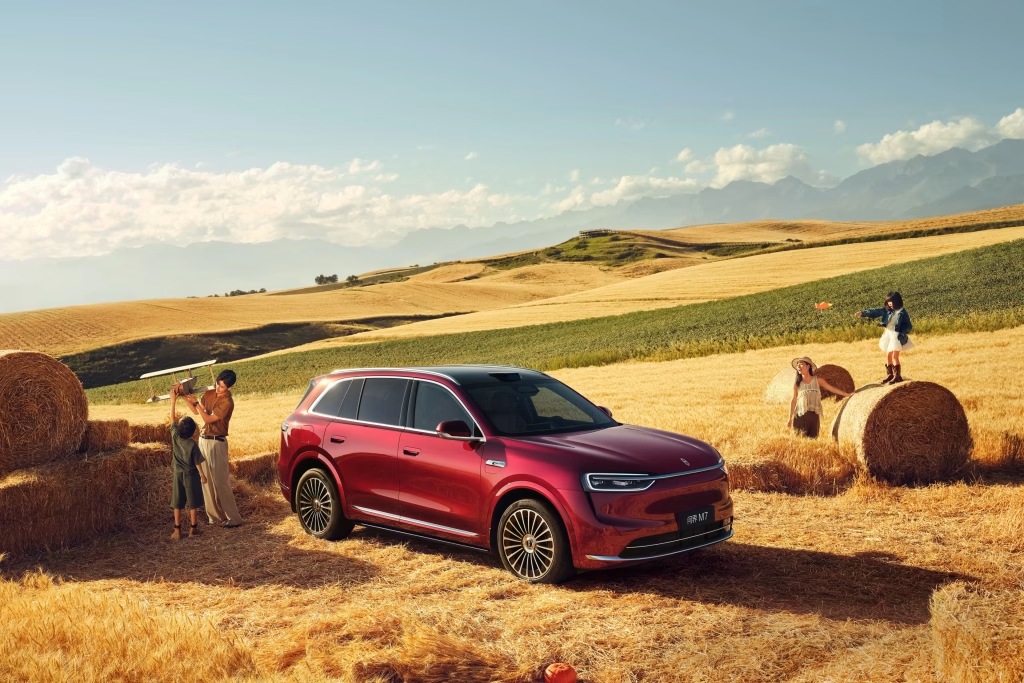
A range designation or a Max badge does not always identify drive layout. Ask for rear-wheel drive, front-wheel drive or all-wheel drive in the written specification and matching factory sheet. For example, HIMA’s M7 table distinguishes a single-motor RWD BEV long-range reference from AWD versions. Retain powertrain and seat count alongside drive when comparing those offers.
Compare the same production-year configurations
Use each candidate’s actual battery, wheel and equipment record. The AWD and RWD versions may carry different reference ranges or options, so a comparison needs more than the additional motor. Keep numerical figures attached to the applicable test cycle. If the quotation substitutes a different wheel or trim, ask for a revised comparison rather than assuming the original range still applies.
Start with the destination route
Describe gradients, road surfaces, seasonal conditions and the loaded passenger pattern. Discuss tyre suitability and manufacturer operating limits with a qualified local workshop. Evaluate braking and handling through their own equipment and conditions; do not infer a universal stopping-distance advantage from an AWD badge. A test or demonstration should identify the exact vehicle and conditions used.
Review ownership costs with the equipment
Ask for the actual tyre sizes, routine service needs and workshop support for each version. Compare the complete export offer, including selected options and destination support. The less expensive advertised trim may omit an essential cabin feature, while the more powerful one may not address your practical route. Keep the buyer’s required features visible next to the drive choice.
Make the acceptance requirement explicit
Write down the chosen drive, battery, wheels, assistance hardware and cabin equipment before allocation. Request the VIN-linked factory record and actual photographs at inspection. Decide how an alternative configuration would be reviewed before approving a substitution. For a fleet, group comparable versions so parts, training and charging plans are not built around an undefined mix of drive layouts.
Practical comparison
| Comparison | Evidence |
|---|---|
| Drive | Factory RWD/FWD/AWD wording |
| Range | Matching battery, wheels and test cycle |
| Route | Surface, gradients, weather and load |
| Ownership | Tyres, workshop and parts plan |
| Order acceptance | Allocated VIN and exact configuration |
Buyer questions
Does Max always mean AWD?
No. Use the full factory drive and trim record.
Is the longer-range version always RWD?
Check the specific model and year. Do not apply one model’s pattern to the whole market.
How should I compare prices?
Use the same condition, options and delivery boundary, with equipment differences listed separately.
Prepare your enquiry
Compare the exact drive configuration with route, tyres, equipment, charging and service needs before choosing a Chinese EV. Send the exact vehicle requirement, quantity and destination for an itemized quotation.
Related reading: climate and route checks; M7 five-seat RWD BEV reference; M7 five-seat AWD BEV reference. Review the agreed inspection scope and shipping scope for the actual order.
References: HIMA M7 configuration matrix; XPeng P7+ RWD configuration reference. The checklists and comparison questions are practical buyer tools; actual documents, contracts, carrier acceptance and destination requirements must be confirmed for the order.
Related buying checks
To turn this comparison into an acceptance record, use the customs clearance and vehicle approval checklist. Have the destination assess the actual vehicle specification and approval route separately from customs release before scheduling road use.