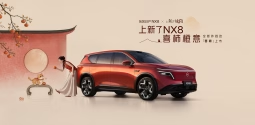
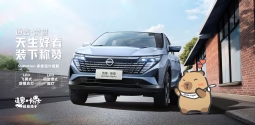
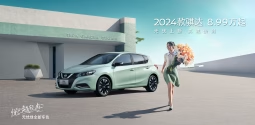
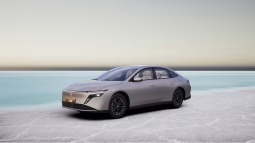
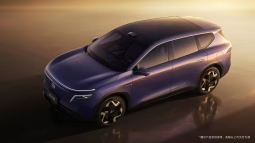
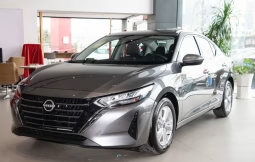
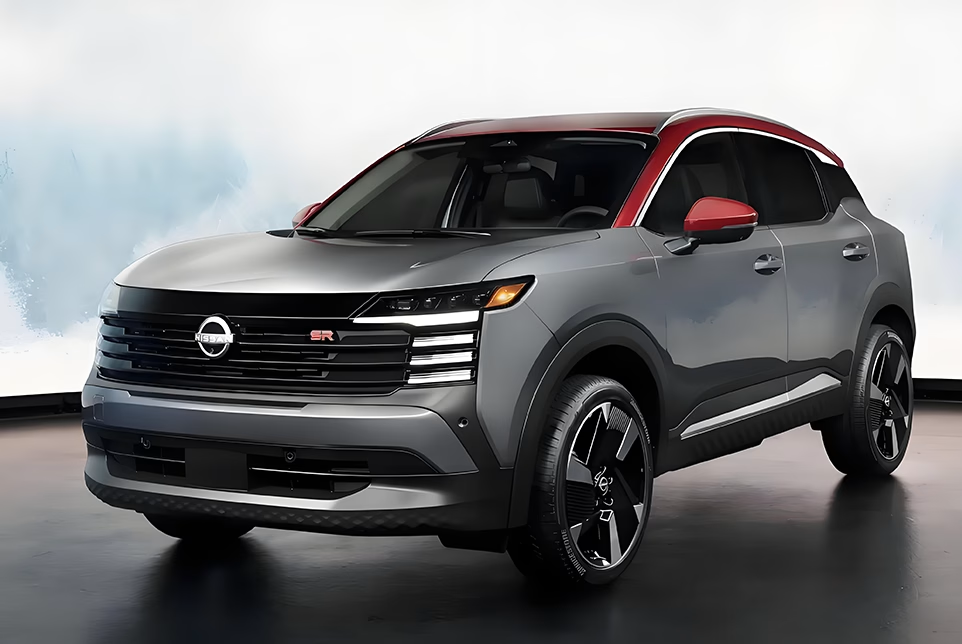
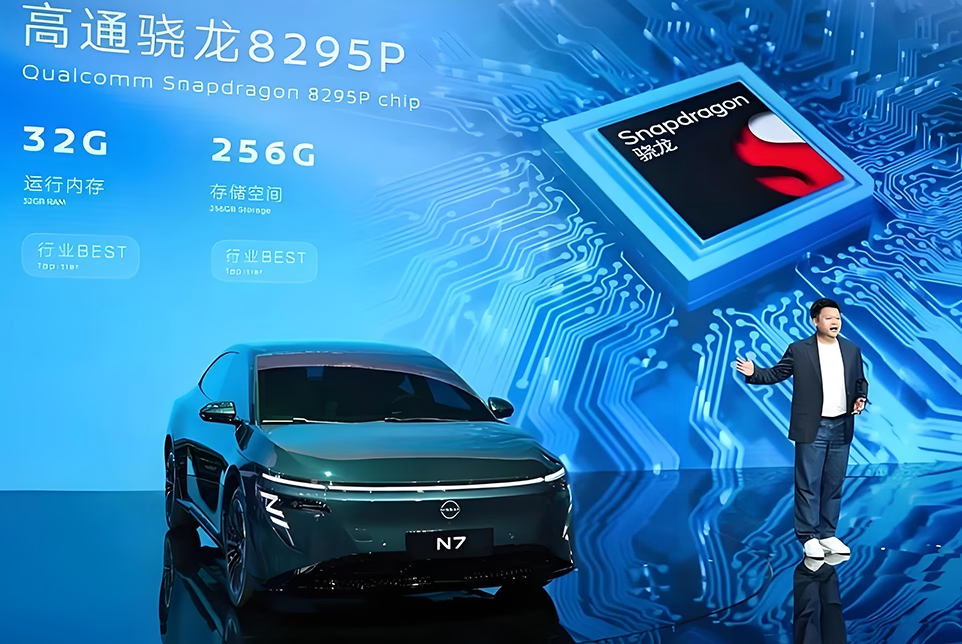
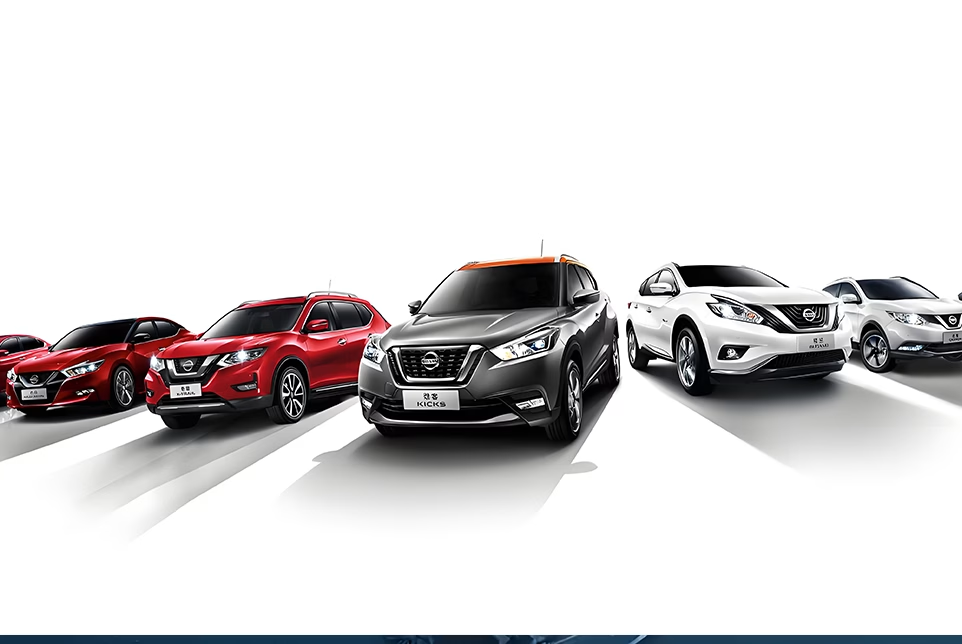
For a Nissan sourced from China, compare the exact sedan, SUV or electrified version with your passenger needs and daily routes. A model family can have different engines, drive systems and equipment across markets. Start with the actual model year and powertrain, then review fuel or charging, software and local maintenance. Fleet and private buyers should assess operating costs, documents and support alongside the initial quotation.
Auto From China can help with sourcing enquiries, agreed pre-shipment checks and shipping coordination. Send the model, quantity and destination for an itemised quotation and an order-specific review of documents and support.
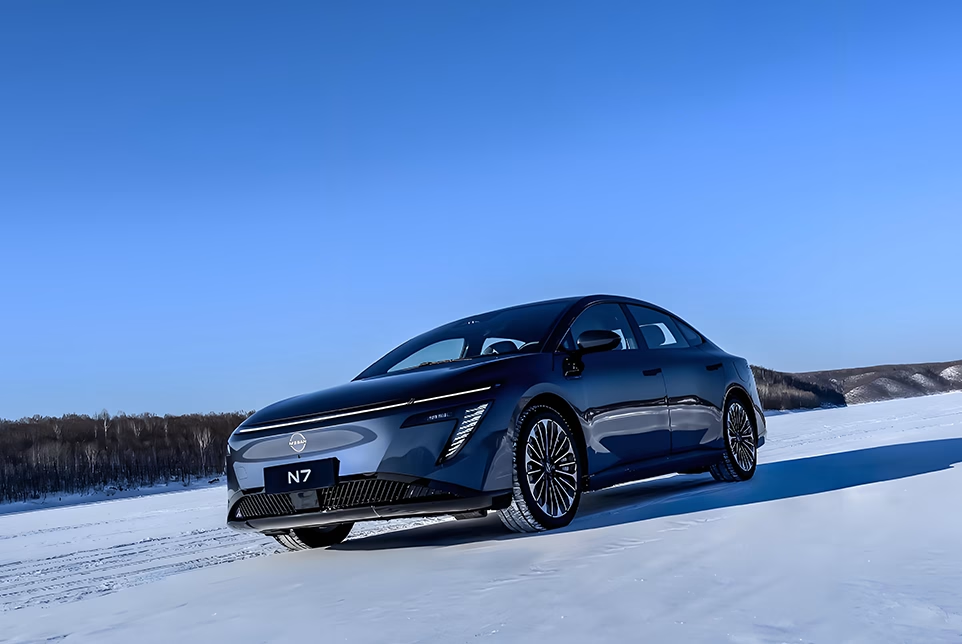
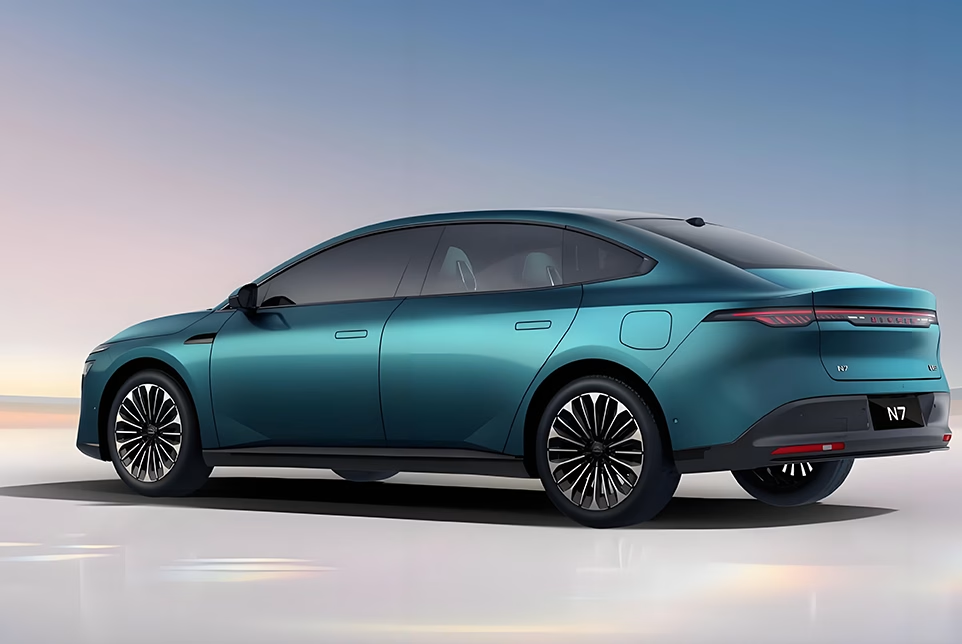
Nissan enquiries range from engine-equipped Tiida, Qashqai and Teana references to electrified NX8 and N6 configurations. Match the manufacturer, powertrain and grade first, then define the charging or fuel and destination documentation.
Confirm the supplier, VIN, model year and factory configuration of the quoted Nissan. Request current photographs and available vehicle records before ordering.
Model and Stock Enquiries
Share the Nissan model, trim, colour and quantity you need. The order review covers stock, essential equipment and export eligibility; a catalogue entry is a starting point for discussion.
Destination Preparation
Review steering position, documents, software and fuel or charging needs before purchase. Define any requested modification separately and check its feasibility, warranty implications and destination requirements.
Shipping Coordination
Compare the available container or RoRo route, preparation schedule and shipping inclusions. Agree insurance and responsibility for destination clearance in writing and use an order-specific delivery estimate.
Itemised Quote and Documents
Review vehicle price, agreed inspection, inland transport, export handling and shipping. Confirm payment terms, the document list and destination charges excluded from the quotation.
Parts and Ownership Support
Discuss VIN-based Nissan parts supply, local maintenance and available service information. Agree the support scope and warranty provider for the destination before ordering.
What to Compare When Choosing Nissan
1. Sedan or SUV Use
Compare rear-seat space, luggage, road access and parking dimensions. Confirm seating and the fitted drive system rather than assuming every SUV offers the same capability.
2. Identify the Powertrain
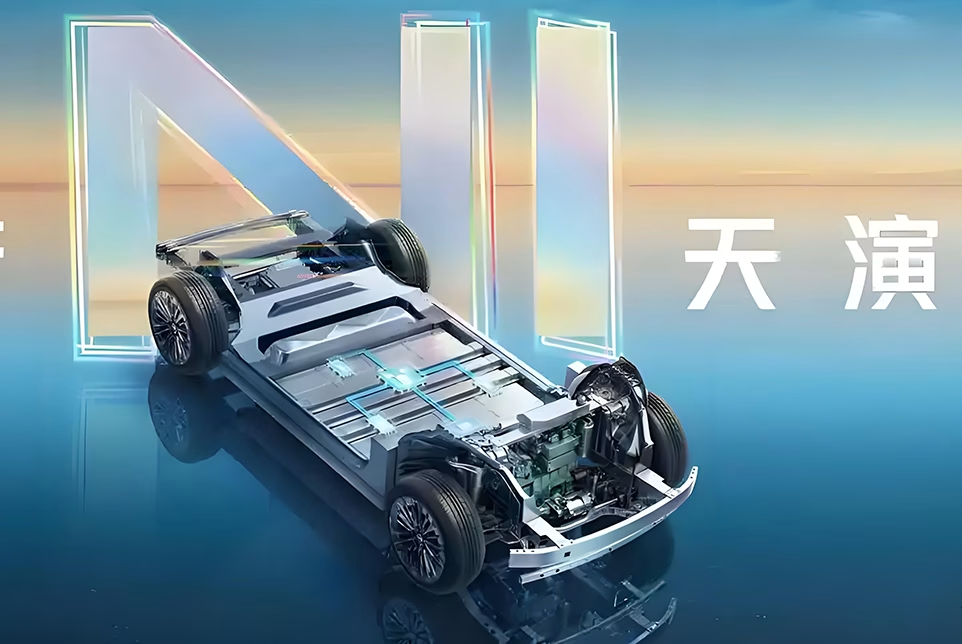
Distinguish a petrol vehicle, hybrid, plug-in hybrid and battery-electric version where offered. Ask how the actual system is powered and what routine servicing it needs.
3. Transmission and Service History
For a used vehicle, review the fitted transmission, maintenance records and inspection results. Check fluid-service requirements and operation under a suitable road-test scope.
4. Fleet Costs and Downtime
Compare fuel or electricity, tyres, maintenance and parts availability for the expected mileage. A consistent specification and pilot inspection can help with a larger order.
5. Market-Specific Equipment
Check safety equipment, interface languages, cameras and connected services. Confirm VIN-based parts and documents rather than applying another market’s specification to the purchase.
Frequently Asked Questions
1. Does an electrified Nissan necessarily need to be plugged in?
Identify the exact system and model year. Electrified branding alone does not establish external charging. Ask for the fuel and charging arrangements, battery information and maintenance requirements of the version being quoted.
2. Can I compare a China-market Nissan with a familiar local model?
Compare body dimensions, powertrain, transmission, drive system, equipment and documents. A shared model name does not establish identical parts, software, approval or warranty. Use both exact configurations for the comparison.
3. What matters for a used Nissan transmission?
Identify the transmission fitted and request maintenance records. Include diagnostic checks, leaks and operation in the inspection scope. Use the service requirements for that transmission rather than assuming every Nissan uses the same system.
4. What information helps with a Nissan fleet quotation?
Send intended use, daily mileage, passengers or cargo, quantity and destination. Define a fixed model-year and trim specification, essential equipment, inspection criteria and service plan, then compare full operating costs.
5. Can this vehicle be registered at my destination?
Eligibility depends on the exact vehicle and destination. Confirm steering position, age limits, emissions or electric-vehicle requirements and the document list before ordering. The quotation should identify which documents can be supplied; China-market certification does not automatically establish destination approval.
6. How do I confirm charging compatibility?
For a plug-in or electric version, check the actual AC and DC ports, supported protocols and charging limits against the equipment you intend to use. An adapter alone does not establish compatibility. Any proposed conversion requires a separate technical and approval review.
7. Can I source a factory right-hand-drive version?
Send your destination and steering requirement with the model enquiry. Confirm that a factory right-hand-drive version exists and can be sourced for the order. Do not assume a left-hand-drive vehicle can be converted with equivalent approval or warranty.
8. How long does preparation and shipping take?
The schedule depends on verified stock, agreed inspection, documents, inland transport and the available sailing. Ask for an order-specific estimate and milestones. Transit and destination clearance times can change; they should not be presented as a fixed brand-wide promise.
9. What warranty and ownership support can be included?
Identify the warranty provider, covered systems, destination, duration and exclusions in writing. Distinguish factory coverage from seller support. Discuss local servicing, VIN-based parts and available technical information before placing the order.
10. What should I send for an itemised quotation?
Send the model or body style, model year, trim, powertrain, quantity, budget, destination and steering requirement. State new or used and any essential equipment. The quote should list vehicle cost, agreed inspection, transport, export handling and shipping, together with excluded charges and payment terms.