
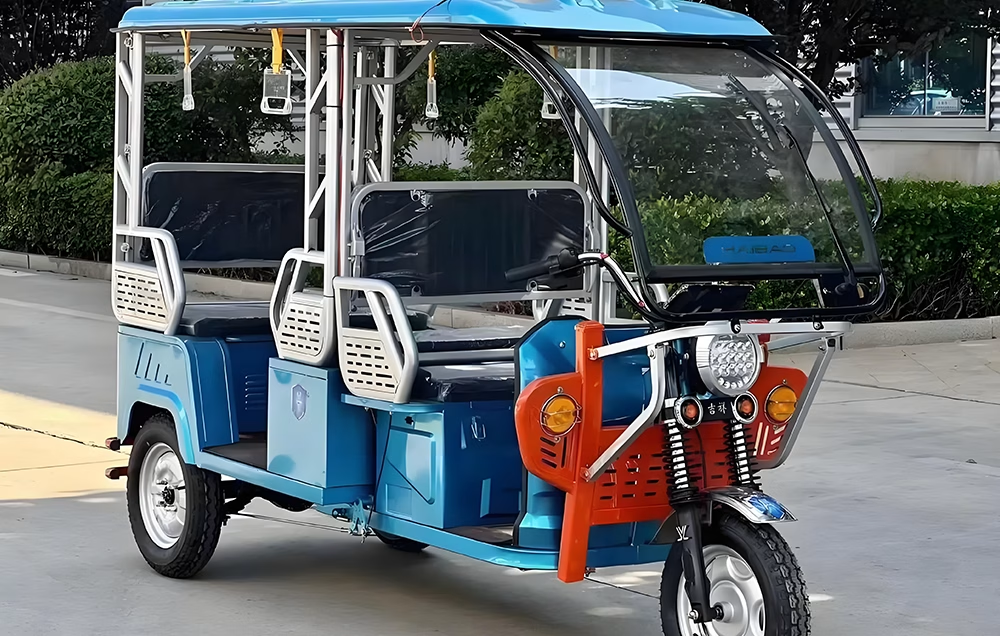
Tricycles, particularly electric ones, are becoming an essential means of mobility in Southeast Asia, Africa, and parts of Latin America, where demand for affordable and fuel-efficient last-mile transportation is on the rise. As a top manufacturer of tricycles, China has been exporting affordable and customised tricycles of various types for passenger, cargo, and utility use.
However, tricycles cannot be imported in the same manner as general consumer goods. And tricycles may have product-specific certifications, battery protection declarations, and they usually require special shipping (particularly if they have Li-ion battery packs).
This article provides a comprehensive guide for international purchasers, sellers, traders, and dealers to easily source tricycles from China, including manual, electric, and petrol-driven models. This encompasses required certifications, export documentation and customs clearance on both the pick-up and delivery sides.
Step 1: Pre-Export Requirements – Certifications and Documentation
Before any shipment can be arranged, buyers should ensure their supplier is properly registered and that the tricycles meet the required regulatory standards.
Required Exporter Qualifications (China Side):
Business License with export rights
Customs Registration (CR Code) for shipping declarations
Electronic Port Access: Required to declare goods through China Customs
Product Certification (Based on Market):
3C Certification: Mandatory for electric tricycles sold/exported from China
CE Certification + Battery Directive (EU): Required for electric tricycles; lithium batteries must pass UN38.3
EPA & DOT Certifications (USA): Required for fuel-powered tricycles
Product Classification:
Check and confirm the correct HS Code:
Human-powered tricycles: 8712.0090
Electric tricycles (with power rating): 8701.1090
Declaration elements should include:
Material composition
Intended use (cargo/passenger)
Power type and rating
Voltage, dimensions, and brand
Summary:
Before confirming any order, ensure that the supplier has obtained all necessary domestic and international certifications. Choosing the wrong HS code or omitting required product details can lead to delays or fines at customs.
Step 2: Export Packing, Booking, and Chinese Customs Declaration
After product preparation, the next step is physical shipment arrangement and export clearance through Chinese customs.
Shipping & Packing:
Shipping Mode:
FCL (Full Container Load): Recommended for large batches
LCL (Less than Container Load): Possible for small volume but more complex handling
Packaging Requirements:
Reinforced wooden crates or steel frames
Fumigation certificate required for wooden packaging (IPPC marking)
Battery Transport:
Lithium batteries require UN packaging, dangerous goods label, and hazardous materials certificate
Export Declaration Documents:
Commercial Invoice
Packing List
Sales Contract
Export Customs Declaration
Inspection Certificate (if required)
Export License (for controlled models)
Battery safety reports or dangerous goods documents (for lithium batteries)
Customs Clearance:
Declare electronically via China’s customs system
Random inspections may occur—goods must match documents
Once cleared, obtain Bill of Lading and shipping documents
Summary:
Electric tricycles with lithium batteries are classified as dangerous goods and must be packed and declared accordingly. Poor documentation or incorrect packing can result in export rejection or shipping refusal.
Step 3: Destination Port Clearance – Key Procedures by Region
Upon arrival at the destination, the importer must handle local customs procedures and clear the cargo for final delivery.
Documents Required for Import Clearance:
Bill of Lading (Original or Telex release)
Certificate of Origin (e.g., Form E for ASEAN, CO for general use)
Import License (if applicable in destination country)
Inspection Certificate or Test Report
Product Certifications: CE, EEC, EPA, or DOT (depending on destination)
Market-Specific Considerations:
European Union:
EEC-type approval for road legality
Rear reflectors, lights, and safety labels must comply
Southeast Asia:
Customs may check battery and charging specs closely
Relatively low duties but increased scrutiny on electrical safety
Africa:
Countries like Nigeria and Kenya may require SONCAP or equivalent local certifications
Right-hand drive configuration, if applicable, must match road standards
Summary:
Tricycles must comply with safety and certification requirements at destination ports. Missing or inaccurate documents may lead to detention, inspection fines, or even re-export.
Step 4: Cost Planning, Shipping Terms & Risk Avoidance
Before finalizing your purchase and shipment, pay close attention to cost elements, Incoterms, and known operational risks.
Key Points:
DDP vs. DDU:
Under DDP (Delivered Duty Paid), the supplier pays for import taxes—ensure clarity on responsibility
Under DDU (Delivered Duty Unpaid), you (the buyer) pay local taxes and duties
Duties & Taxes:
Customs duty may range from 5% to 25%, based on tricycle type and value
VAT (or local equivalent) commonly ranges from 10% to 20%
Shipping Insurance:
Highly recommended, especially for high-value or battery-powered units
Transport Accuracy:
Tricycles have irregular dimensions; misclassification or incorrect CBM measurement can result in inflated freight or port charges
Summary:
Tricycles are bulky and sensitive to customs classification, so accurate documentation and freight booking are essential. Always clarify Incoterms, and work with an agent experienced in electric or three-wheeler vehicle logistics.
Common Pitfalls to Avoid
Mixing Batteries with Main Cargo: Declare and ship batteries separately if possible to reduce inspection risk
Using Unregistered Brand Logos: Branding and trademarks must be pre-cleared to avoid customs seizures for IP infringement
Incorrect HS Code: Leads to reclassification, delays, and fines
Using Inexperienced Forwarders: Tricycles require specialized booking due to dimensions—avoid general-purpose agents
The opportunity to import tricycles from China is quite intriguing, particularly in developing countries looking for low-cost transportation options. Whether you’re looking for electric tricycles, man-powered trucks, or electric utility three-wheelers, the process involves strict certification, battery logistics, customs compliance, and professional handling of freight.
Auto From China streamlines the process for customers worldwide by providing comprehensive sourcing assistance, compliance documentation, export handling, and even port-to-port logistics for all our tricycle exports globally. Contact us today to receive a customised quote tailored to your specific volume, port, and delivery requirements.
Plan the next buying step
Related buying check: used-EV ocean-booking evidence pack. Agree the carrier’s acceptance evidence and the preparation records for the actual vehicle and route before reserving the shipment.
Send the vehicle or parts requirement for an itemized sourcing quotation with the destination, quantity and requested support.