
Leapmotor D19 Six vs Seven Seats and Dual vs Tri-Motor Versions
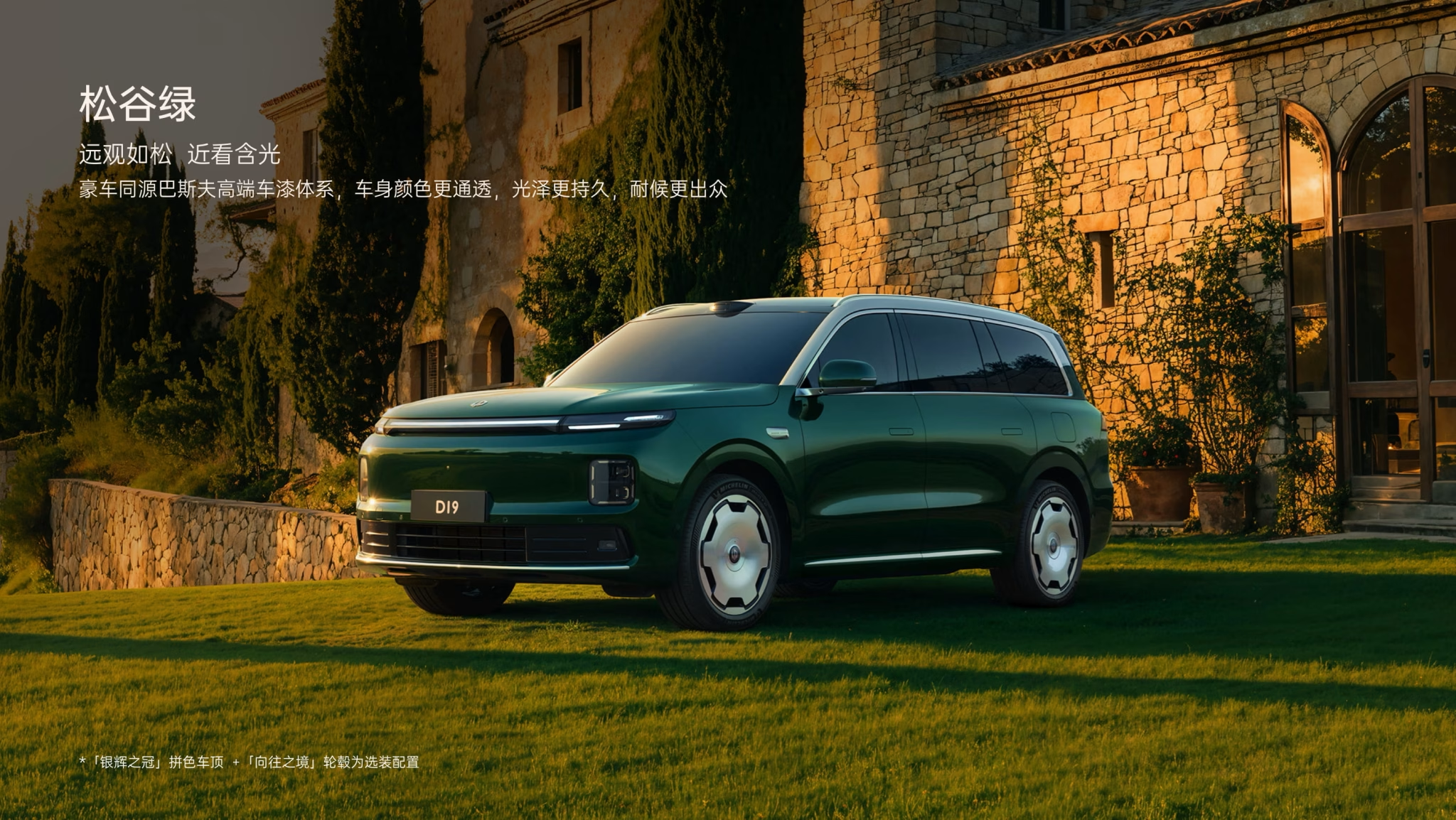
D19 has a multi-part configuration matrix: energy system, range group, seating and motor arrangement. Choose these fields together to avoid an ambiguous large-SUV order.
Named configurations used in this guide
| Exact version | Energy / drive | Battery or engine reference | Published electric range |
|---|---|---|---|
| Leapmotor D19 620 Zhizun 6-Seat BEV China Version | BEV / AWD | 99.6 kWh | 620 km CLTC |
| Leapmotor D19 720 Zhizun 7-Seat BEV China Version | BEV / AWD | 115 kWh | 720 km CLTC |
| Leapmotor D19 680 Tri-Motor Performance 6-Seat BEV China Version | BEV / AWD | 115 kWh | 680 km CLTC |
| Leapmotor D19 500 Zhizun 7-Seat EREV China Version | EREV / AWD | 80.3 kWh | 500 km CLTC |
Do not merge the performance BEV with the other columns
The 680 BEV performance entry cites three motors and 540 kW, while the 620 and 720 BEV columns cite two-motor AWD and 410 kW. Battery references are 99.6 kWh for 620 and 115 kWh for 720 and 680. A larger output does not imply that the performance version has the highest rated range.
Seat wording must survive the quotation
Seven-seat and six-seat configurations have their own factory names. Request the complete seating arrangement and a cabin demonstration with every intended passenger position available. Check normal luggage access and the actual seat functions. A photograph of one second-row seat cannot verify the layout, and an AWD badge tells nothing about passenger count.
Extended-range columns require their own comparison
The captured 400 and 500 EREV entries use 63.7 and 80.3 kWh references with two-motor AWD and a 300 kW motor-output reference. Do not import the BEV performance figure into those offers. The dimensions also include configuration-specific height differences. Select the exact factory column before measuring parking access or discussing transport clearances.
Use the shortlist without losing the configuration
The table deliberately names complete versions. A shared range number, badge or photograph does not establish matching cabin equipment. For each shortlisted car, request the full factory designation, production record and selected options. Mark essential features as standard, optional or unresolved. Keep translated names alongside the original factory wording so the inspector and supplier can identify the same column.
Manufacturer range, charging and output figures retain their stated test basis; they are not guaranteed road results. Combined EREV or PHEV range includes fuel, while electric-only range does not. Engine and motor peaks should not be added to invent a system rating. A model-family image does not establish available stock, exact trim or delivered software functions.
Related buying checks
To turn this comparison into an acceptance record, use the VIN-by-VIN inspection and handover plan. Keep the accepted specification, inspection findings, delivered accessories and handover evidence with the same allocated VIN.
Turn the decision into a sourcing enquiry
Send the selected version, quantity, preferred exterior and interior colours, destination country and port. Request an itemized offer identifying the allocation basis, chosen equipment, inspection scope and shipment scope. When a VIN is allocated, reconcile its vehicle record with the accepted specification and record any proposed change before shipment. Destination eligibility and local service arrangements must be assessed for the actual car, not inferred from a China brochure. Request a configuration-matched quotation.
Manufacturer references checked in October 2026: https://cn.leapmotor.com/D19.html. This is a buying comparison, not confirmation of stock, destination approval or overseas assistance availability.