
Leapmotor B01 vs B10: Sedan or SUV with Similar Battery References?
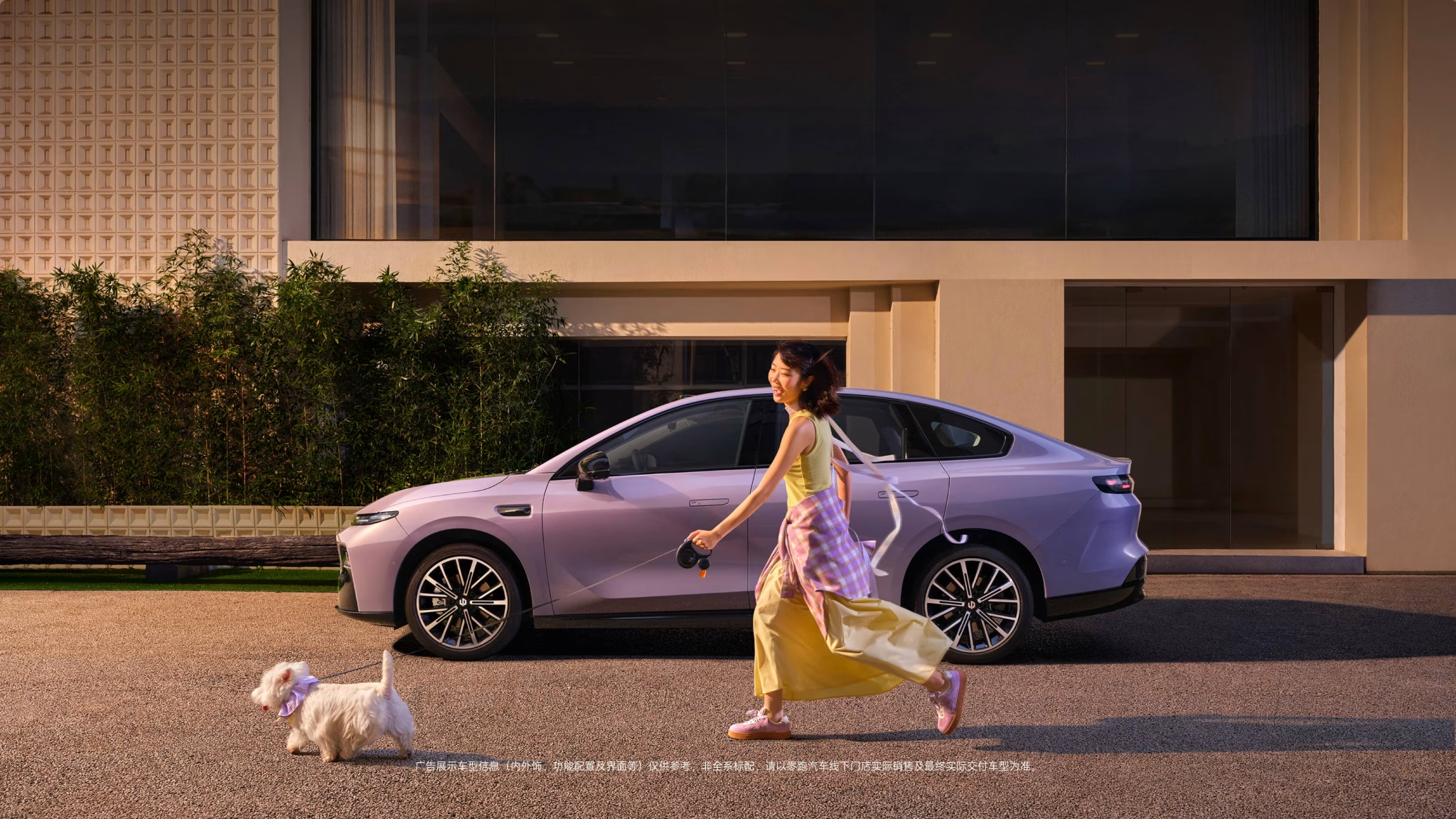
B01 and B10 share some battery and motor references, but their bodies and published range groups differ. The right comparison starts with passenger use and exact grades.
Named configurations used in this guide
| Exact version | Energy / drive | Battery or engine reference | Published electric range |
|---|---|---|---|
| Leapmotor B01 590 Yuexiang BEV China Version | BEV / RWD | 60.8 kWh | 590 km CLTC |
| Leapmotor B10 540 Yuexiang BEV China Version | BEV / RWD | 60.8 kWh | 540 km CLTC |
| Leapmotor B01 670 LiDAR BEV China Version | BEV / RWD | 69.7 kWh | 670 km CLTC |
| Leapmotor B10 610 LiDAR BEV China Version | BEV / RWD | 69.7 kWh | 610 km CLTC |
Shared energy figures do not make the bodies equivalent
B01 is a 4,770 mm sedan; B10 is a 4,515 mm SUV. Both cite a 2,735 mm wheelbase, while width and height differ. A common wheelbase does not prove identical seat space, luggage access or road behaviour. Ask for a practical cabin demonstration with the passengers and items that matter to the intended use.
Use the same battery group for a useful first comparison
The 60.8 kWh references appear with 590 B01 and 540 B10 designations. The 69.7 kWh groups use 670 and 610 respectively. These are CLTC references for distinct cars, not proof of a fixed real-world range gap. Compare the matching motor and equipment grade too; Shuxiang differs from other grades within either family.
Do not let a sedan-to-SUV substitution become invisible
A supplier might offer another body with a similar battery and earlier allocation. Treat that as a new choice, not an equivalent trim substitution. Check parking clearance, rear-seat access and loading through the actual opening. Ask for separate quotations using the precise family and grade so body differences remain visible throughout inspection and shipment.
Use the shortlist without losing the configuration
The table deliberately names complete versions. A shared range number, badge or photograph does not establish matching cabin equipment. For each shortlisted car, request the full factory designation, production record and selected options. Mark essential features as standard, optional or unresolved. Keep translated names alongside the original factory wording so the inspector and supplier can identify the same column.
Manufacturer range, charging and output figures retain their stated test basis; they are not guaranteed road results. Combined EREV or PHEV range includes fuel, while electric-only range does not. Engine and motor peaks should not be added to invent a system rating. A model-family image does not establish available stock, exact trim or delivered software functions.
Related buying checks
To turn this comparison into an acceptance record, use the charging acceptance checklist for a China-market EV. Use the installed ports, electrical limits and a demonstration with the intended equipment to turn a charging assumption into an acceptance record.
Turn the decision into a sourcing enquiry
Send the selected version, quantity, preferred exterior and interior colours, destination country and port. Request an itemized offer identifying the allocation basis, chosen equipment, inspection scope and shipment scope. When a VIN is allocated, reconcile its vehicle record with the accepted specification and record any proposed change before shipment. Destination eligibility and local service arrangements must be assessed for the actual car, not inferred from a China brochure. Request a configuration-matched quotation.
Manufacturer references checked in October 2026: https://cn.leapmotor.com/B01.html; https://cn.leapmotor.com/B10.html. This is a buying comparison, not confirmation of stock, destination approval or overseas assistance availability.